HSK 4 · Lesson 11 · The snack box before a trip
All the biscuits are gone! 所有的饼干都被吃光了!
Each lesson is a short story in Mandarin with pictures and audio, the words and grammar it uses, and a talk with Xiaolu at the end. All of HSK 1 is free.
This lesson is in Plus. Start this lesson
- About 29 minutes
- 7 new words
- 2 grammar points
- A 3 to 5 minute talk with Xiaolu at the end
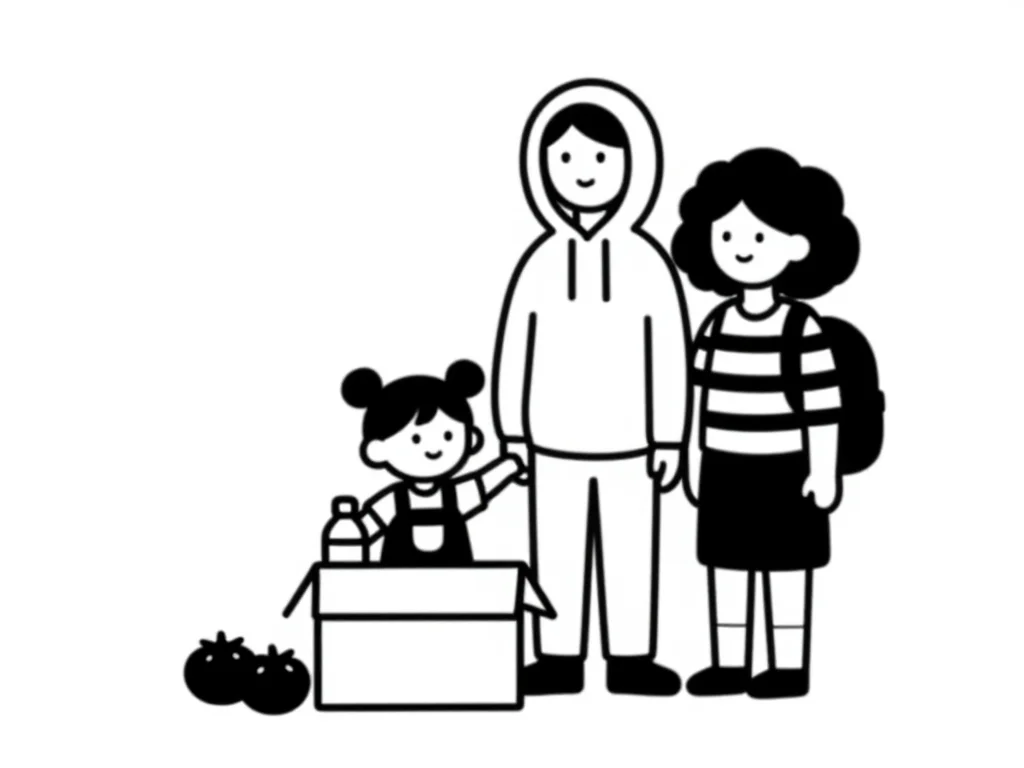
Who is in it
- Mia 米亚 Mǐyà
- Fei 林飞 Lín Fēi
- An'an 安安 Ān'ān
New words
- 饼干 bǐnggān biscuit
- 巧克力 qiǎokèlì chocolate
- 葡萄 pútao grape
- 西红柿 xīhóngshì tomato
- 矿泉水 kuàngquánshuǐ mineral water
- 光 guāng used up (complement: 吃光); light
- 所有 suǒyǒu all (所有的……都)
The story
In the living room, the night before the trip
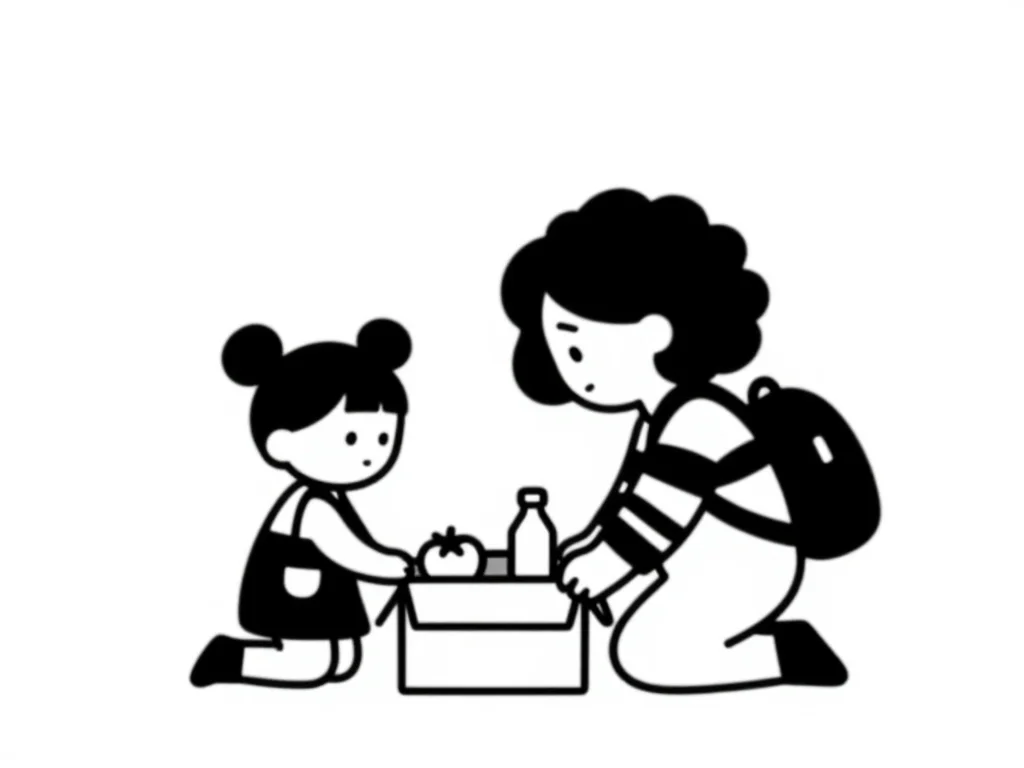
- Mia 安安,明天你去北京参加比赛,我给你准备了一个大盒子。
- An'an 盒子里有什么?我看看。
- Mia 有饼干,有巧克力,有葡萄,有西红柿,还有矿泉水。
- An'an 饼干呢?巧克力呢?
- Mia 真的吗?我昨天晚上都放进去了!
- An'an 所有的饼干都被吃光了!
- Mia 巧克力和葡萄呢?
- An'an 也被吃光了。只有西红柿和矿泉水还在。
- Fei 你们为什么看我?我什么都没吃!
- An'an 我还没说是你呢。
In Fei's room, the same night
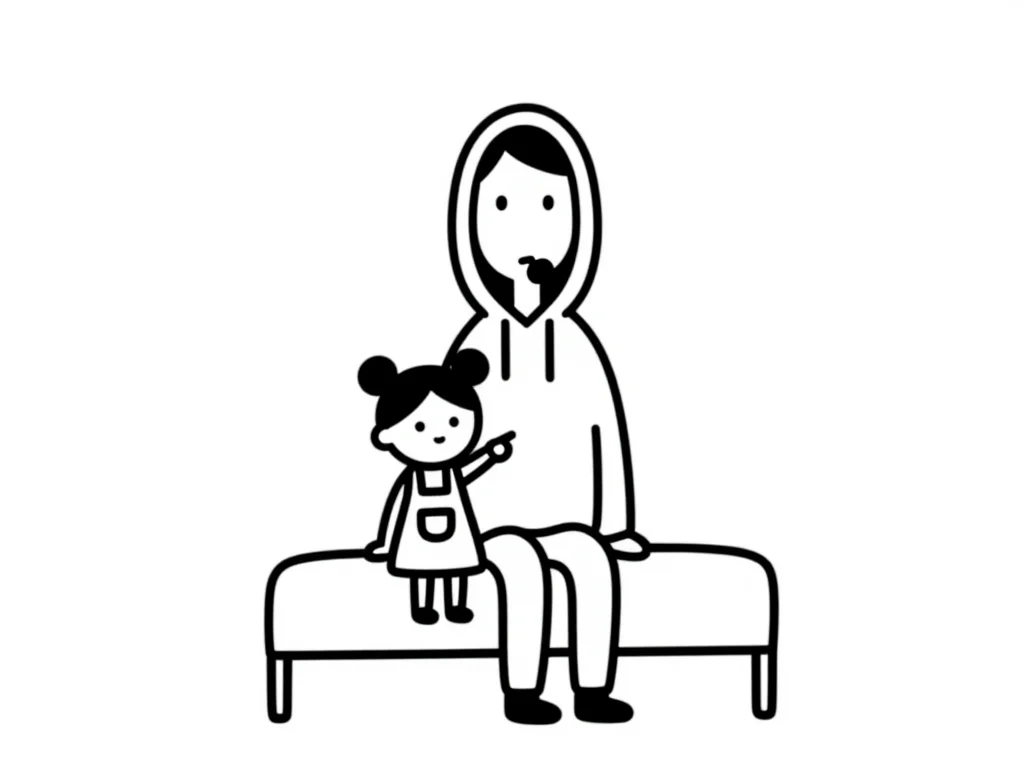
- An'an 哥哥,你的嘴上有巧克力。
- Fei 这个?我只是尝了一下。
- Mia 我放了三十块饼干,十二块巧克力呀。
- Fei 每种我都只尝了一下。
- An'an 饼干三十块,巧克力十二块,一共四十二个“一下”!
- Fei ……我今天还没吃饭,太饿了。
- An'an 明天我在路上吃什么?
- Mia 别担心,我有办法。
- Fei 真的?米亚,你真好!
- An'an 可是你不能再尝了!
At the station, the next morning
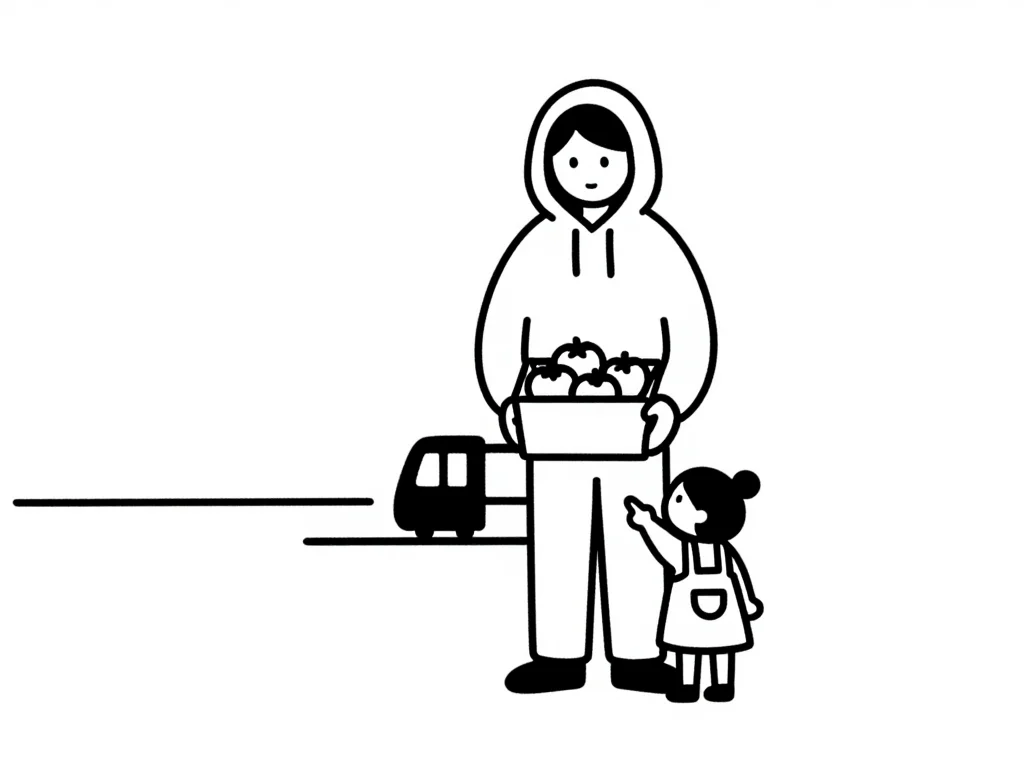
- Mia 安安,新盒子在我的包里,饼干和巧克力都有。
- An'an 太好了!哥哥,这个盒子你不能拿。
- Fei 我拿旧盒子吧。
- An'an 旧盒子里有西红柿和矿泉水,你吃西红柿吧!
- Fei 西红柿太酸了……
- Mia 你尝一下吧,只尝一下。
- An'an 只尝一下?这次我看着你。
- Fei 真的,西红柿很甜!
- An'an 你把所有的西红柿都吃光吧!
- Mia 火车来了,我们走吧!
An'an's notebook, on the train
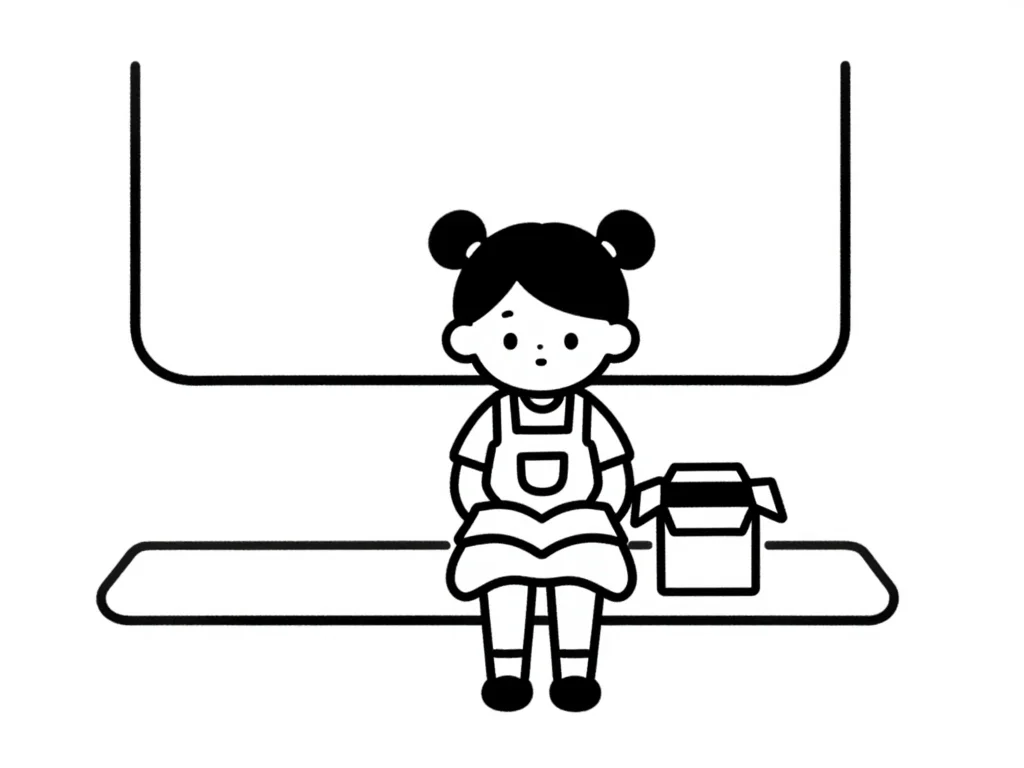
- 昨天晚上,盒子里的饼干、巧克力和葡萄都被吃光了。
- 只有西红柿和矿泉水还在。
- 哥哥说:“我什么都没吃!”
- 可是他的嘴上有巧克力。
- 他说每种他都只尝了一下。
- 饼干三十块,巧克力十二块,一共四十二个“一下”!
- 哥哥一边说对不起,一边看着那个盒子。
- 米亚有办法,早上她拿来了一个新盒子。
- 现在我坐在火车上,要去北京参加比赛。
- 哥哥吃了旧盒子里的西红柿,他说很甜。
- 他还说,他想再尝一下。
- 新盒子里有很多好吃的,我要慢慢吃。
- 我希望到了北京,旧盒子里还有西红柿,哥哥就不拿新盒子了。
Grammar
所有的 + N + 都 + V
所有的 + noun + 都 means 'all the …'. The noun comes first as the topic, and 都 sits before the verb phrase: 所有的饼干都被吃光了, 'all the biscuits were eaten up'. Never drop 都. Use it for a group the listener already knows about.
- 所有的饼干都被吃光了。
- 所有的东西都有两份。
- 所有的西红柿都很甜。
- 所有的人都笑了。
V + 光 (used up)
光 after a verb says that nothing is left: 吃光 'eat it all up', 喝光 'drink it all up'. Like 完, it is a result complement and follows the verb directly: 吃光了. With 被 the thing comes first: 饼干被吃光了. To deny it, use 没: 没吃光 'didn't finish it all'.
- 饼干都吃光了。
- 矿泉水被林飞喝光了。
- 我把巧克力吃光了。
Characters
- 饼 is a flat round baked food. The food radical on the left shows it is something to eat, and 并 on the right gives the sound. You will meet 饣 in many food words.
- 柿 first named a persimmon, a fruit that grows on a tree: 木 on the left for the meaning, 市 on the right for the sound. In 西红柿 the tomato borrows it: 西 (western), 红 (red), 柿 (a fruit).
A saying
纸包不住火 Literally, 'paper cannot wrap up fire': a flame burns straight through the paper around it. People use it for a secret that cannot stay hidden for long. The truth comes out, like chocolate on someone's chin.
What you will be able to say
The lesson ends with a talk. Xiaolu's snack box for her trip is empty. Tell her what was in it, that all of it was eaten up, who ate it, and what is left.
- I can say 'all the …' with 所有的 + noun + 都. 所有的饼干都不在了。
- I can say something is used up with a verb + 光. 饼干都吃光了。
- I can say who ate the food with 被. 饼干被我的朋友吃光了。
- I can say the tomatoes (西红柿) are still in the box. 盒子里还有西红柿。
- I can say what is left: 只有 + 西红柿 and 矿泉水. 只有西红柿和矿泉水还在。
The closing talk needs an account. On the free plan, the first lesson talk you take in each level is free; Plus and Ultimate use the month's Talk minutes.
This lesson is in Plus. Start this lesson