HSK 4 · Lesson 27 · The week's work form
Any question is fine! 任何问题都行!
Each lesson is a short story in Mandarin with pictures and audio, the words and grammar it uses, and a talk with Xiaolu at the end. All of HSK 1 is free.
This lesson is in Plus. Start this lesson
- About 29 minutes
- 8 new words
- 2 grammar points
- A 3 to 5 minute talk with Xiaolu at the end
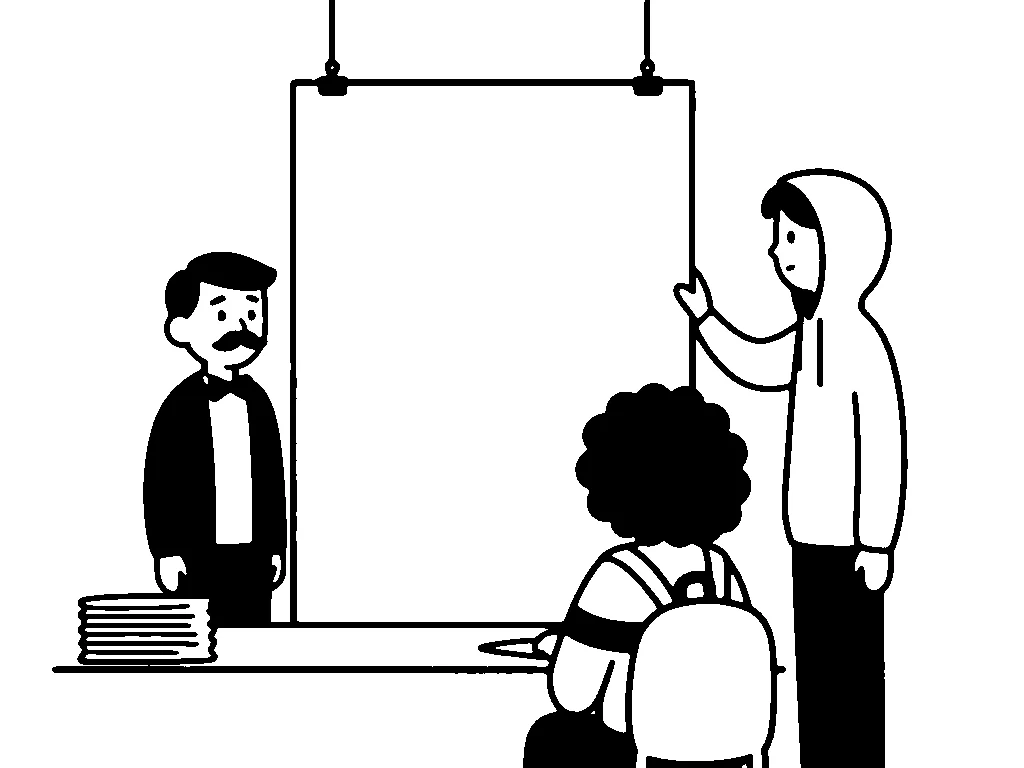
Who is in it
- Mia 米亚 Mǐyà
- Fei 林飞 Lín Fēi
- Mr Lin 林先生 Lín xiānsheng
New words
- 各 gè each, every (各位, 各种)
- 任何 rènhé any (任何……都)
- 一切 yíqiè everything, all
- 其中 qízhōng among them, of which
- 互相 hùxiāng each other, mutually
- 尤其 yóuqí especially
- 行 xíng OK, all right; capable
- 比如 bǐrú for example, such as
The story
At the restaurant office, Monday morning
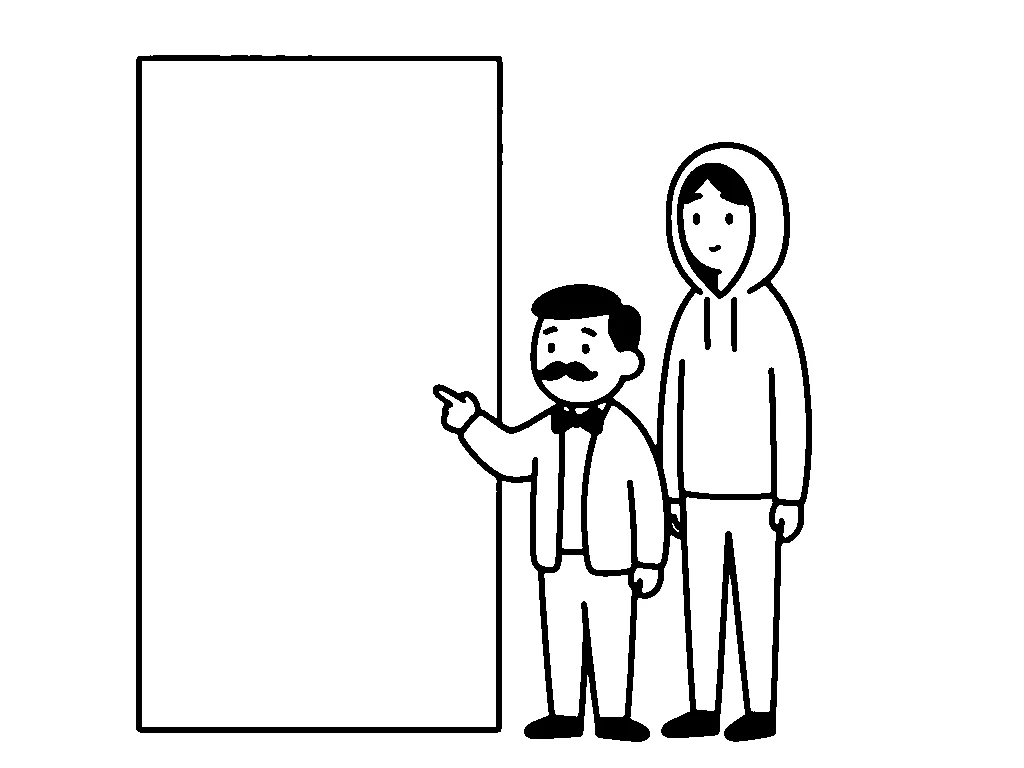
- Mr Lin 各位,这是这个星期的工作表格。
- Mr Lin 每个人每天做什么,表格里都有。
- Mr Lin 任何问题都行!
- Fei 比如?
- Mr Lin 比如,各位周末休息吗?
- Mia 一切都安排好了。周末的事情,在第八张。
- Mr Lin 好!有问题,大家互相帮助。
- Fei 行。我有一个问题:中午几点吃饭?
- Mia 第二张。我的材料一共三十张,每个问题一张。
- Mr Lin 米亚,你什么都准备好了!
At the office, a little later
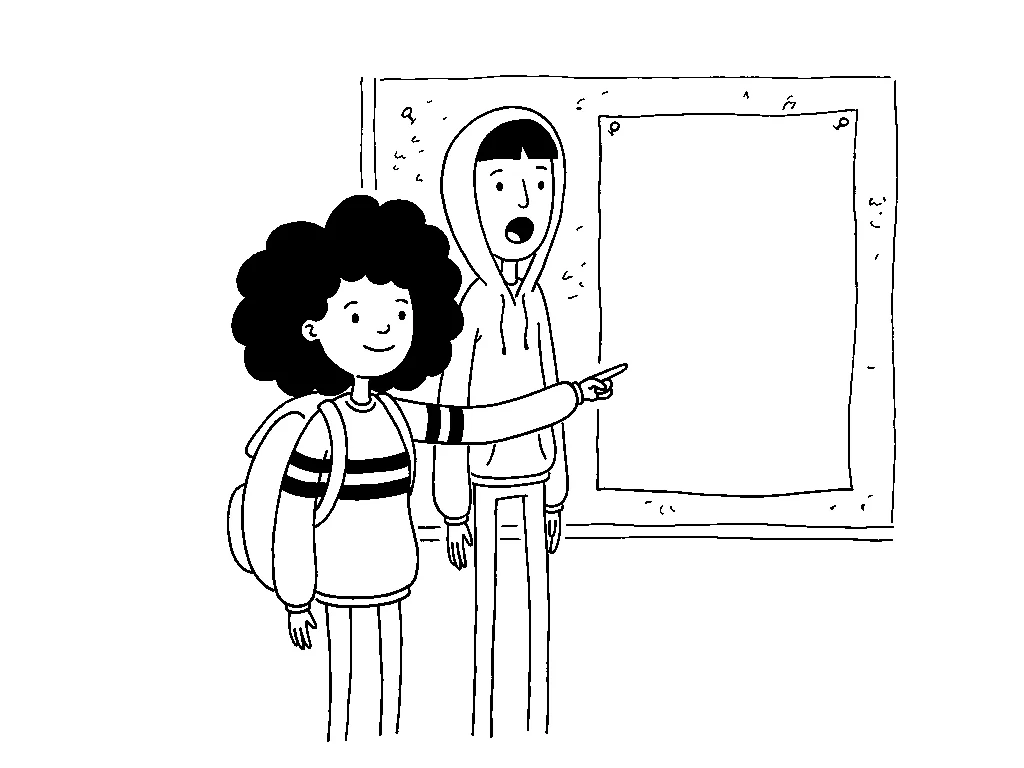
- Fei 米亚,这个星期谁周末休息?
- Mia 我们一共十个人,其中三个人休息。
- Fei 我是其中一个吗?
- Mia 是。你周末休息,第九张。
- Fei 太好了!周末我尤其想吃好吃的——
- Mia 周末你想吃的东西,在第十张。
- Fei 我还没说完呢!
- Mia 你想吃东西,对吗?
- Fei ……对。
At the office, end of the day
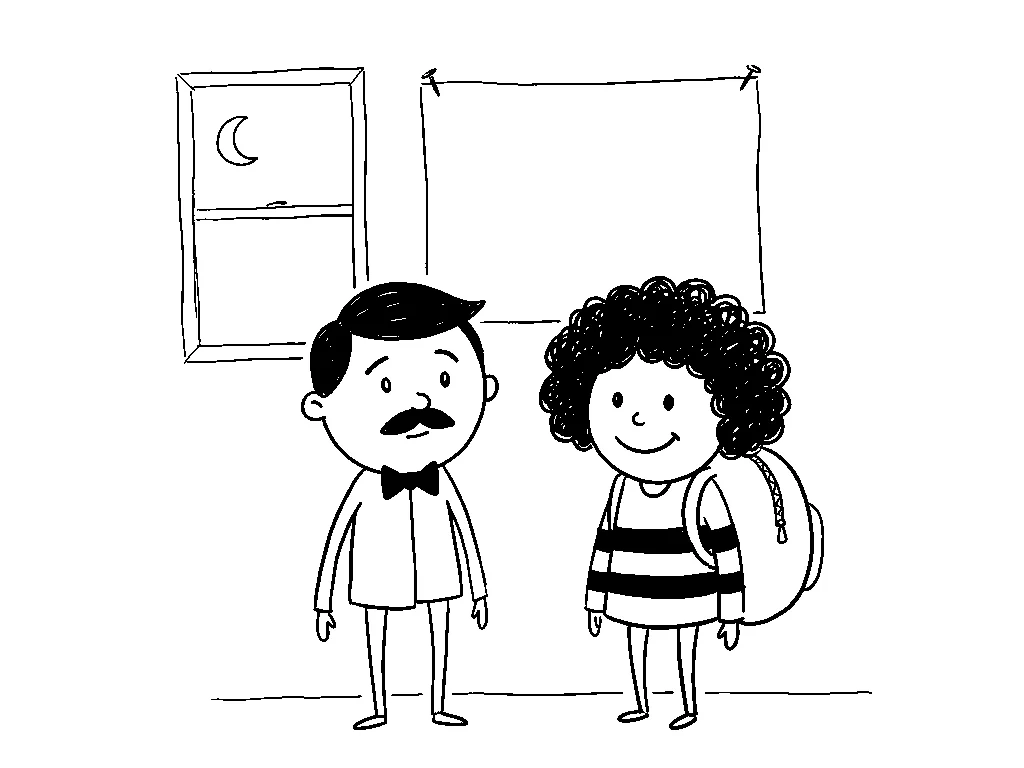
- Mr Lin 任何问题都行吧?我也有一个:我的周末呢?
- Mia 第三十一张。
- Fei 不是一共三十张吗?
- Mia 中午你吃饭的时候,我又写了一张。
- Mr Lin 每个问题你都有一张,你真行!
- Fei 我也有一个问题:晚上吃什么?
- Mia 第三十二张。
- Fei ……你什么时候写的?
- Mia 你问以前我就写好了。
Mia's notebook, Monday
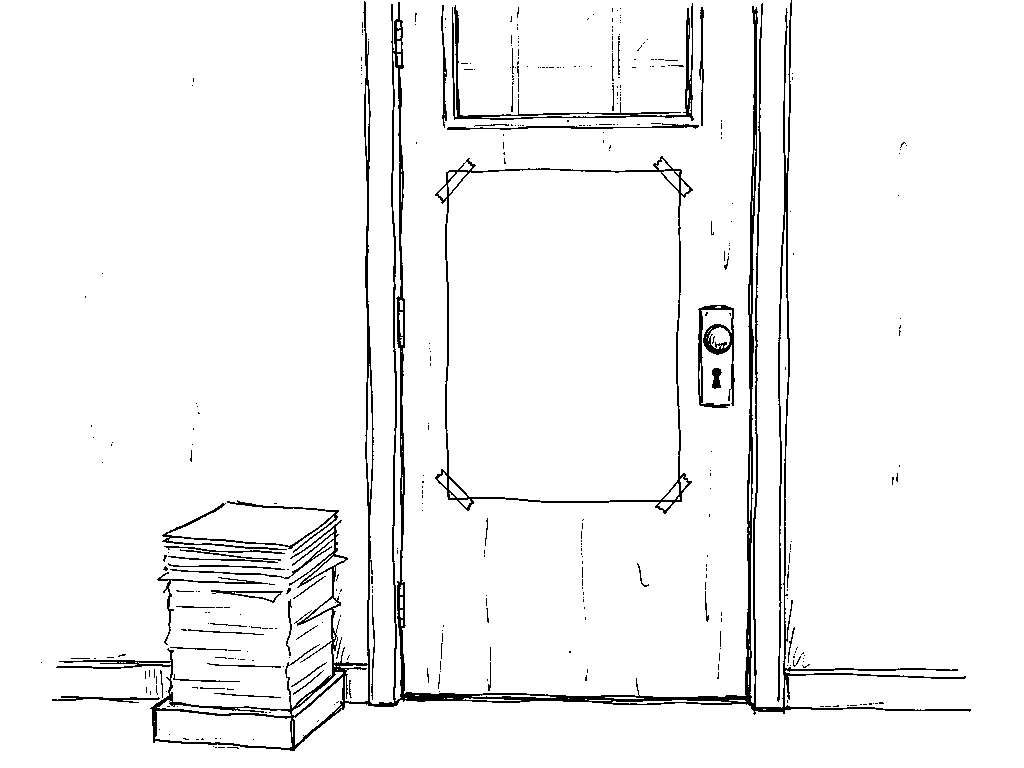
- 星期一,林先生把这个星期的工作表格挂在了门上。
- 他说,任何问题都行,比如周末的事情。
- 我的材料一共有三十张,一切都安排好了。
- 我们十个人,其中三个人周末休息。
- 林飞是其中一个。
- 周末尤其忙,休息的人不多。
- 中午林飞吃饭的时候,我又写了一张。
- 晚上林先生问:“我的周末呢?”我说,第三十一张。
- 大家都有自己的工作,有问题就互相帮助。
- 这个星期,谁都不着急,什么都不乱。
- 林先生说:“你真行!”
- 可是我还想为明天的问题再写一张。
Grammar
任何 / 所有的 / 各 + N + 都 + V; 一切 + 都 + V
To say 'any' or 'all', put the word before the noun and 都 before the verb: 任何问题都行 (any question is fine), 各位都来了 (each of you is here), 所有的问题,Mia都有一张 (there is a sheet for every question). 一切 means 'everything' and often stands alone: 一切都好。 In every case, 都 comes right before the verb.
- 任何问题都行!
- 一切都安排好了。
- 各位都准备好了。
- 所有的问题,米亚都有一张。
什么 / 谁 / 哪儿 + 都 / 也 + V
A question word plus 都 stops asking and means 'any' or 'every': 什么都有 (has everything), 谁都可以 (anyone can), 哪儿都行 (anywhere is fine). 都 goes after the question word, before the verb. 什么 + noun works too: 什么问题都行. It is a statement, so no 吗.
- 你什么都准备好了!
- 谁都可以问问题。
- 我们坐哪儿都行。
- 什么问题都行。
Characters
- 相 An eye (目) beside a tree (木): to look at something closely. From that comes 'each other', as in 互相, where two sides look at and help one another.
- 任 The person radical (亻) on the left shows it is about people: to take on a job or duty. 壬 on the right gives the sound. In 任何 it means 'any'.
A saying
未雨绸缪 Literally: before the rain comes, bind up the window and door (mend the house). People mean: get ready before trouble arrives, as Mia does: she has a sheet ready for every question, more than thirty in all.
What you will be able to say
The lesson ends with a talk. You are the manager on Monday. Tell Xiaolu, the new colleague, that any question is fine, that everything is arranged, and how many of the team rest at the weekend.
- I can say that any question is fine, with 任何……都. 任何问题都行!
- I can say that everything is arranged, with 一切. 一切都安排好了。
- I can give an example with 比如. 比如,周末休息吗?
- I can say how many 'among them' do something, with 其中. 我们一共十个人,其中三个人周末休息。
- I can say that people help each other, with 互相. 有问题,大家互相帮助。
The closing talk needs an account. On the free plan, the first lesson talk you take in each level is free; Plus and Ultimate use the month's Talk minutes.
This lesson is in Plus. Start this lesson