HSK 4 · Lesson 79 · Managing the festival table
Everything's going smoothly! 一切进行得很顺利!
Each lesson is a short story in Mandarin with pictures and audio, the words and grammar it uses, and a talk with Xiaolu at the end. All of HSK 1 is free.
This lesson is in Plus. Start this lesson
- About 29 minutes
- 6 new words
- 2 grammar points
- A 3 to 5 minute talk with Xiaolu at the end
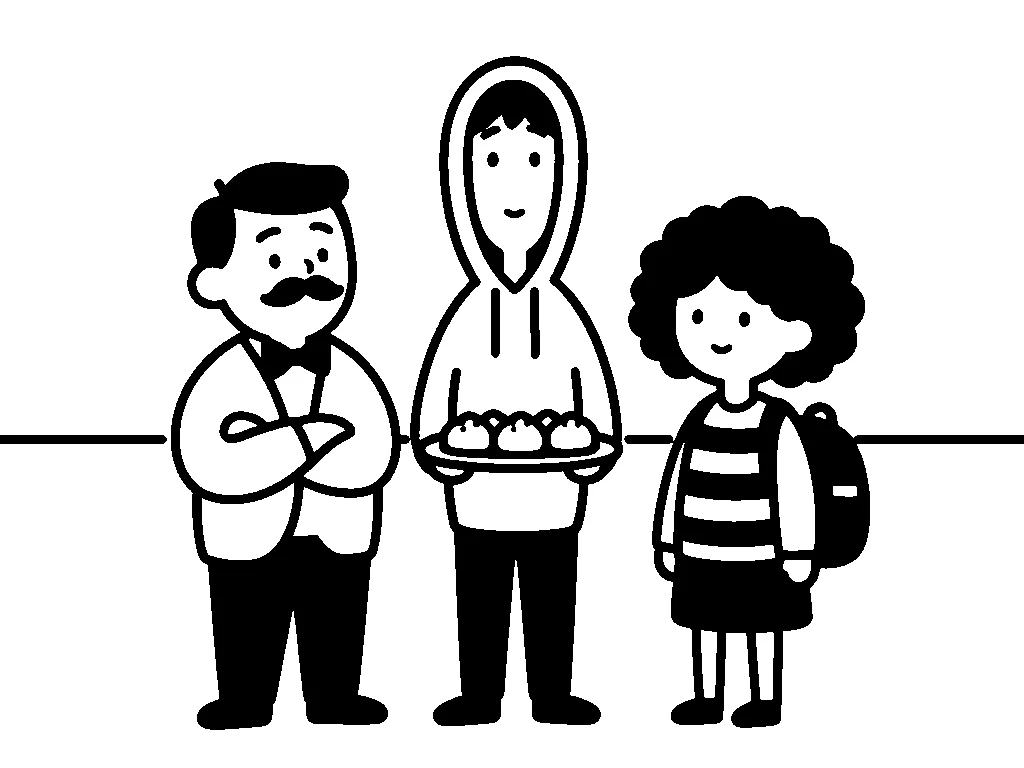
Who is in it
- Mia 米亚 Mǐyà
- Fei 林飞 Lín Fēi
- Mr Lin 林先生 Lín xiānsheng
New words
- 管理 guǎnlǐ to manage; management
- 生意 shēngyi business, trade
- 改变 gǎibiàn to change; a change
- 顺利 shùnlì smoothly, without a hitch
- 困难 kùnnan difficulty; difficult
- 经历 jīnglì to go through; an experience (lived)
The story
The restaurant's festival tables, the second morning
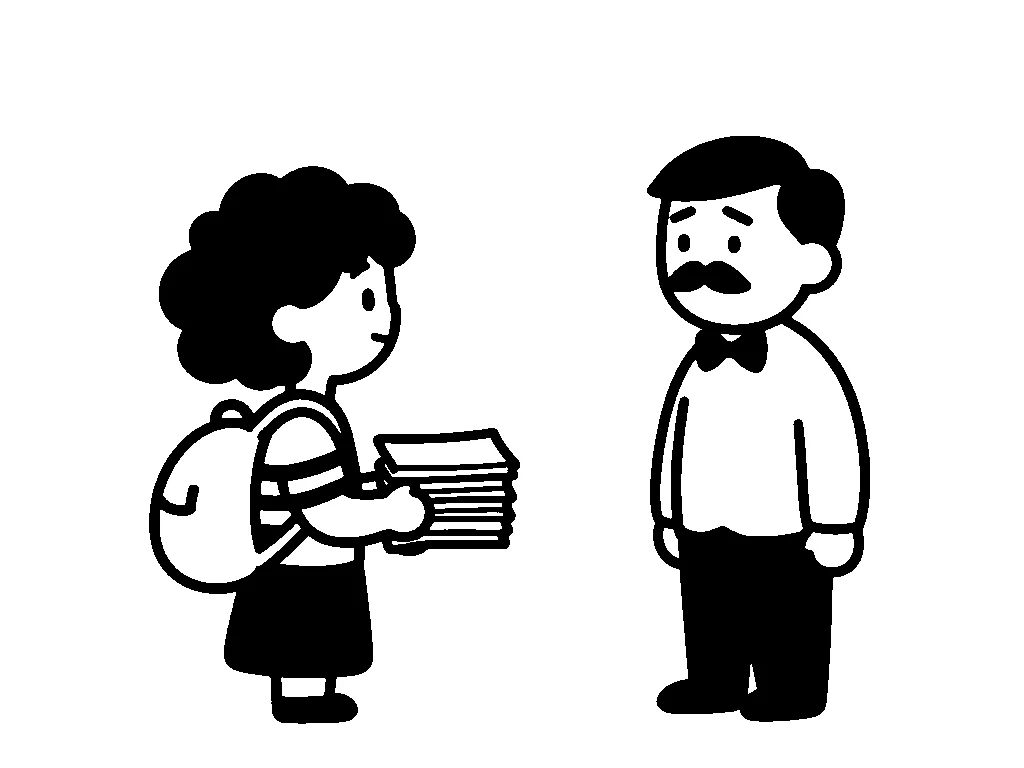
- Mr Lin 大家早上好!今天节日的桌子,我来管理。
- Mia 我把菜单复印了十份。
- Mr Lin 十份?我们今天只有四张桌子。
- Mia 多准备一点儿,肯定够。
- Fei 爸爸,第一张桌子的客人都坐好了。
- Mr Lin 好!生意很顺利,你们也都做得很好。
- Mia 您管理得真好!我也想做一点儿事情。
- Mr Lin 你去入口看着吧,让排队的客人先看菜单。
- Mia 好。我带了手表,看看客人等多久。
At the kitchen door, a little later
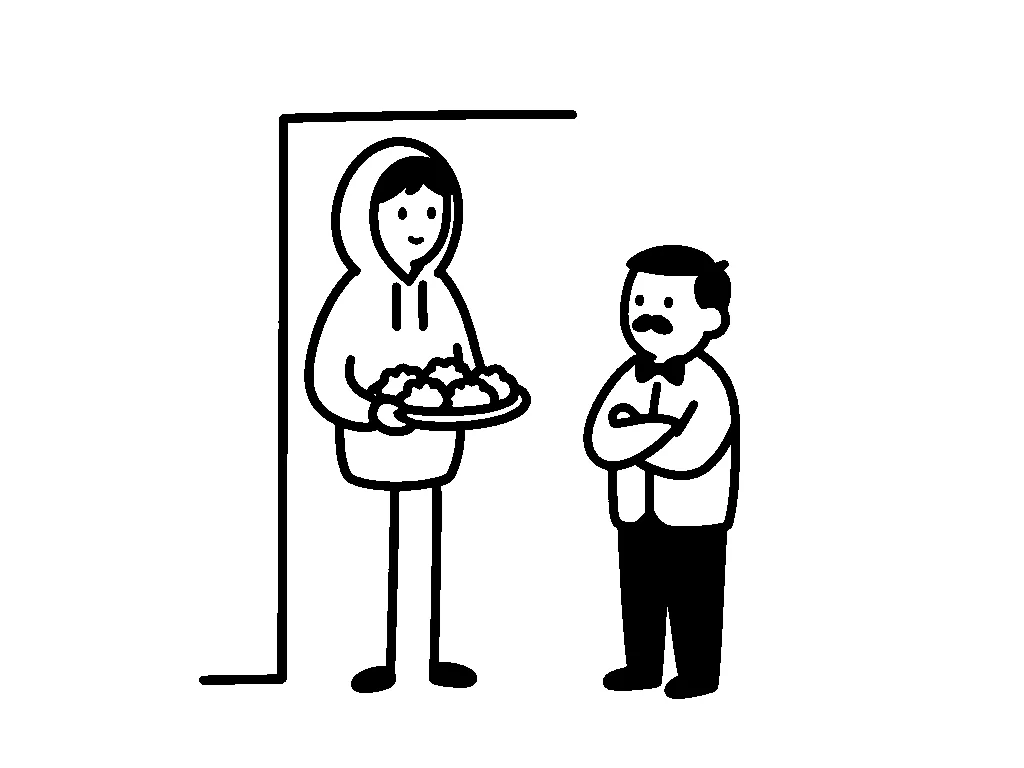
- Fei 爸爸,我想改变一下菜单的顺序。
- Mr Lin 为什么?现在不是很好吗?
- Fei 客人都想先吃饺子,我也一样。
- Mr Lin 好,把饺子放到最前面,试一下。
- Fei 爸爸,客人都吃饺子,没有人喝汤。
- Mr Lin 把汤放到饺子前面吧。
- Mia 今天已经改变了两次!客人可能不习惯吧?
- Mr Lin 别担心,只要客人吃得高兴,就没有问题。
- Fei 好,我去给客人拿饺子。
- Mr Lin 你的那份也在厨房里,吃完再去。
At the restaurant entrance, around noon
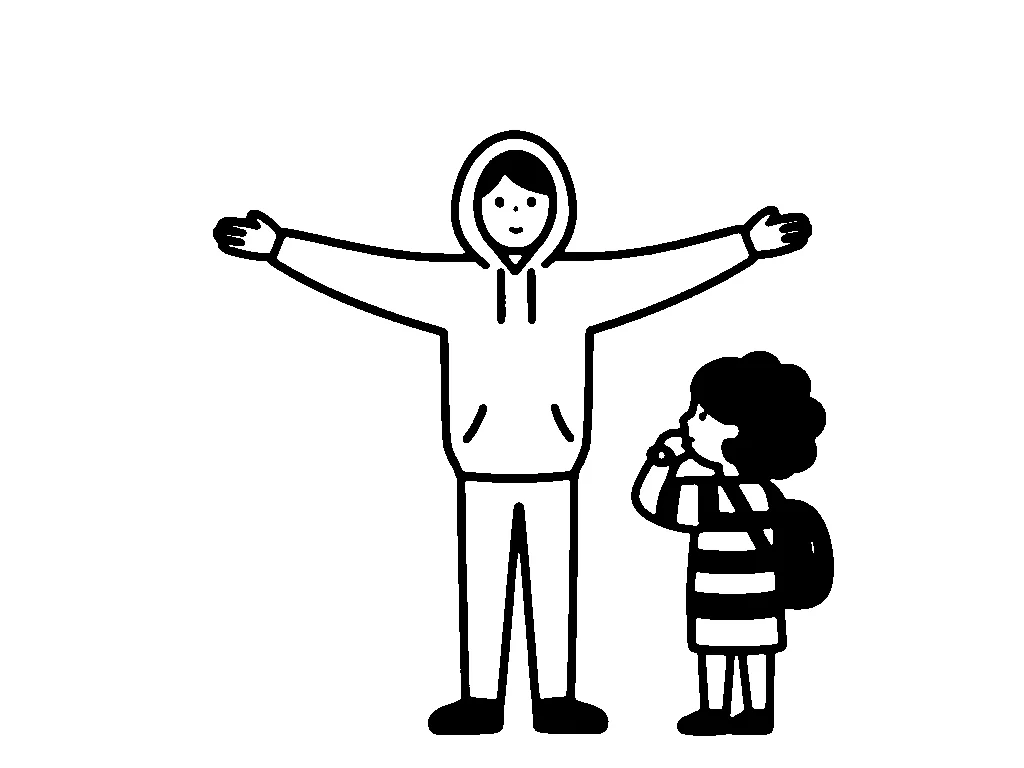
- Mia 我的手表说,客人最多等了十五分钟。
- Fei 可是刚才有位客人说,他等了两个小时!
- Mr Lin 排队已经成了一个故事。
- Fei 又来了一位客人,说他等了三个小时。
- Mia 我的手表说,他刚到。
- Mr Lin 客人讲得很开心,这是一次有趣的经历。
- Mia 一切进行得很顺利!
- Mr Lin 生意呢?有困难吗?
- Fei 没有,只是菜单改变了两次。
Mia's notebook
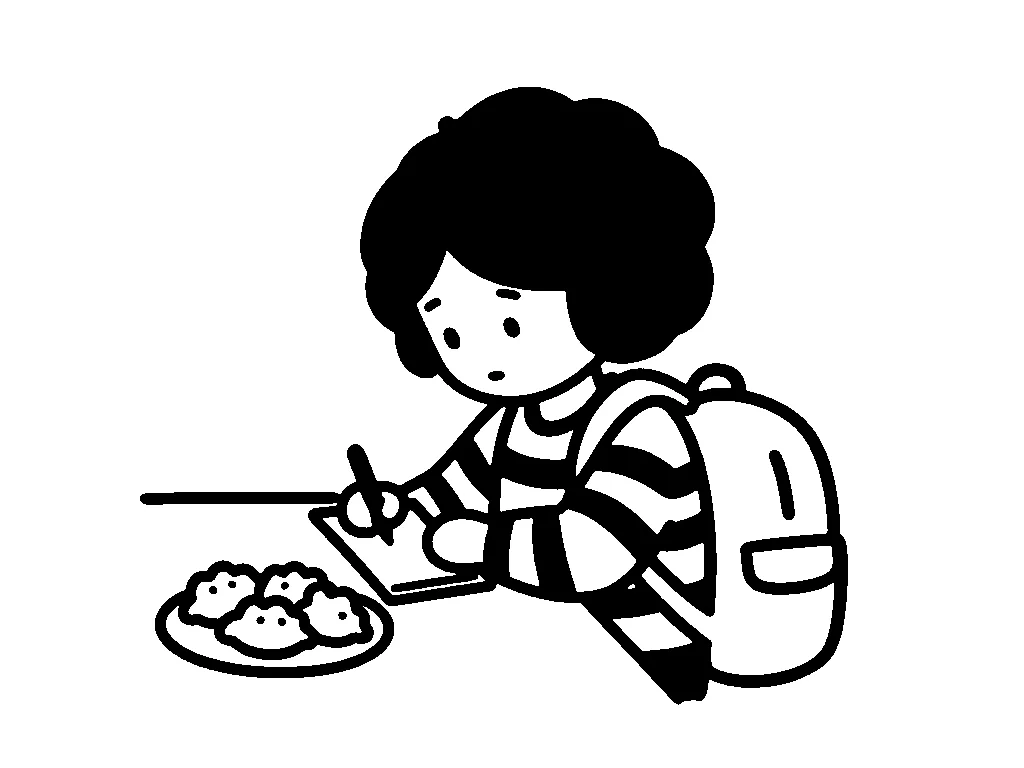
- 今天,林先生把节日的桌子管理得很好。
- 他把菜单放到入口,客人一进来就能看到。
- 菜单的顺序今天改变了两次。
- 饺子先放到最前面,后来林先生又把汤放到了饺子前面。
- 我把客人等的时间写在表格上了。
- 客人最多等了十五分钟。
- 可是客人都说,他们等了很久很久。
- 排队成了一个故事,客人讲得很开心。
- 生意很顺利,我们也没有什么困难。
- 林飞一直在给客人拿饺子,他自己的那份还在厨房里。
- 手表上的时间很短,可是故事里的时间越来越长。
- 明天,我想把这个故事写成一篇文章。
Grammar
V + 得 + 很/真/非常 + adj; with an object: V + O + V + 得 + adj
To say how something is done, put 得 after the verb and an adjective after it: 讲得很开心. If the verb has an object, say the verb twice: 做菜做得很快. 进行 takes 一切 as its subject (一切进行得很顺利); with 生意 say 生意很顺利.
- 一切进行得很顺利!
- 您管理得真好!
- 客人讲得很开心。
- 林飞做菜做得很快。
S + 把 + O + V + 到/在/给 + place or person; 把 + O + V + 十份 / 一下
把 puts the thing first and says what happens to it. After the verb add 到, 在 or 给 plus a place or person, or a quantity like 十份: 把汤放到饺子前面; 把时间写在表格上; 把菜单复印十份. The verb never stands bare.
- 我把菜单复印了十份。
- 把汤放到饺子前面吧。
- 我把客人等的时间写在表格上了。
- 他把菜单放到入口。
Characters
- 管 began as a bamboo tube. Bamboo on top for the meaning, 官 below for the sound: 管 sounds like 官. Someone who controls the flow, like a pipe, is 'in charge', which leads to 管理 'to manage'.
- 顺 页 is a head, and 川 is a river that flows along. Together they suggest going along with the flow, so nothing blocks the way. That is the idea of 顺利, 'smoothly'.
A saying
三人成虎 Literally 'three people make a tiger': if three people in turn say there is a tiger in the market, people start to believe it, even though there is none. People mean that a story told again and again grows and is believed, like the queue that became two hours, then three.
What you will be able to say
The lesson ends with a talk. You are helping Xiaolu manage her restaurant's festival tables on the second day. Tell her how things are going, say how you moved something with 把, and mention one difficulty.
- I can say how something is going or being done with 得 + adjective. 一切进行得很顺利。
- I can say where I put or moved something with 把 + thing + verb + 到 / 在. 我把菜单放到桌子上。
- I can say who is managing something (管理). 我来管理今天的桌子。
- I can say whether there is any difficulty (困难). 今天没有什么困难。
- I can say what the day was like as an experience (经历). 这是一次有趣的经历。
The closing talk needs an account. On the free plan, the first lesson talk you take in each level is free; Plus and Ultimate use the month's Talk minutes.
This lesson is in Plus. Start this lesson