HSK 4 · Lesson 76 · Film night
This joke isn't funny at all! 这个笑话一点儿也不好笑!
Each lesson is a short story in Mandarin with pictures and audio, the words and grammar it uses, and a talk with Xiaolu at the end. All of HSK 1 is free.
This lesson is in Plus. Start this lesson
- About 27 minutes
- 6 new words
- 2 grammar points
- A 3 to 5 minute talk with Xiaolu at the end
Who is in it
- An'an 安安 Ān'ān
- Grandma 奶奶 nǎinai
- Mr Lin 林先生 Lín xiānsheng
New words
- 演员 yǎnyuán actor, performer
- 爱情 àiqíng love (as a genre: a love story in a film or novel)
- 浪漫 làngmàn romantic (of scenery, a film)
- 无聊 wúliáo bored; boring
- 可惜 kěxī what a pity; it's a shame
- 值得 zhíde to be worth (doing)
The story
Living room, film night
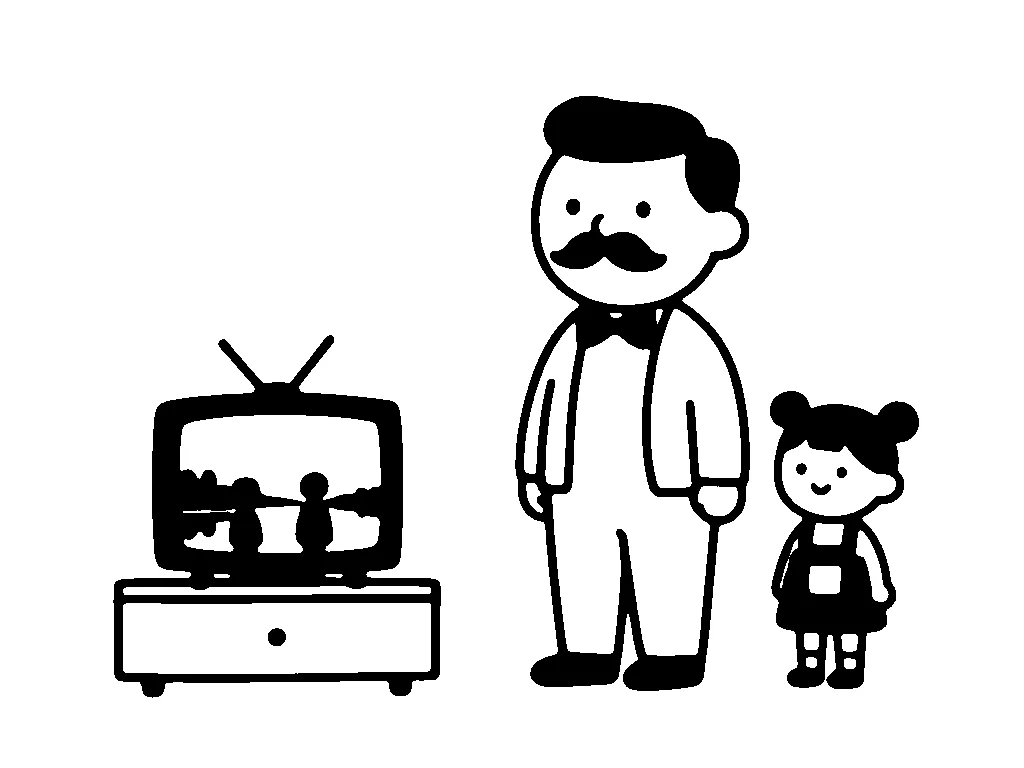
- Mr Lin 今天饭店打折,客人真多,我累极了。
- Grandma 累了就坐下,我们看电影。
- Mr Lin 今天的电影是爱情电影,景色很浪漫。
- An'an 有趣吗?
- Mr Lin 不但景色浪漫,而且演员也不错!
- Grandma 爱情电影我看过,有点儿无聊。我换一个节目吧。
- An'an 奶奶,电影刚开始呢!
- Grandma 羽毛球比赛开始了,这个一点儿也不无聊!
- An'an 可惜,我想看演员。
- Grandma 你先看比赛,电影等一会儿。
The same living room, during the match
- Grandma 这场比赛值得看,大家别说话!
- Mr Lin 太安静了,我讲个笑话吧。
- Mr Lin 电视为什么不去上班?
- An'an 为什么?
- Mr Lin 因为它没有腿!
- An'an 这个笑话一点儿也不好笑!
- Mr Lin 是吗?我在饭店讲过,客人都笑了。
- An'an 饭店打折的时候,什么笑话客人都觉得好笑。
- Mr Lin 好吧,打折的时候,我再讲一个。
After the match
- Grandma 比赛赢了!好,电影还给你们。
- An'an 奶奶,电影快结束了!
- Mr Lin 没关系,我们看到最后。
- Mr Lin 好了,电影结束了。笑话不好笑,电影呢?
- An'an 有点儿无聊,不过演员不错,值得看。
- Mr Lin 我说得对吧,演员不错!
- An'an 可惜奶奶没看见浪漫的景色。
- Grandma 我一点儿也不觉得可惜,比赛很精彩。
- An'an 明天你看比赛,我看电影,我们都高兴。
An'an's notebook
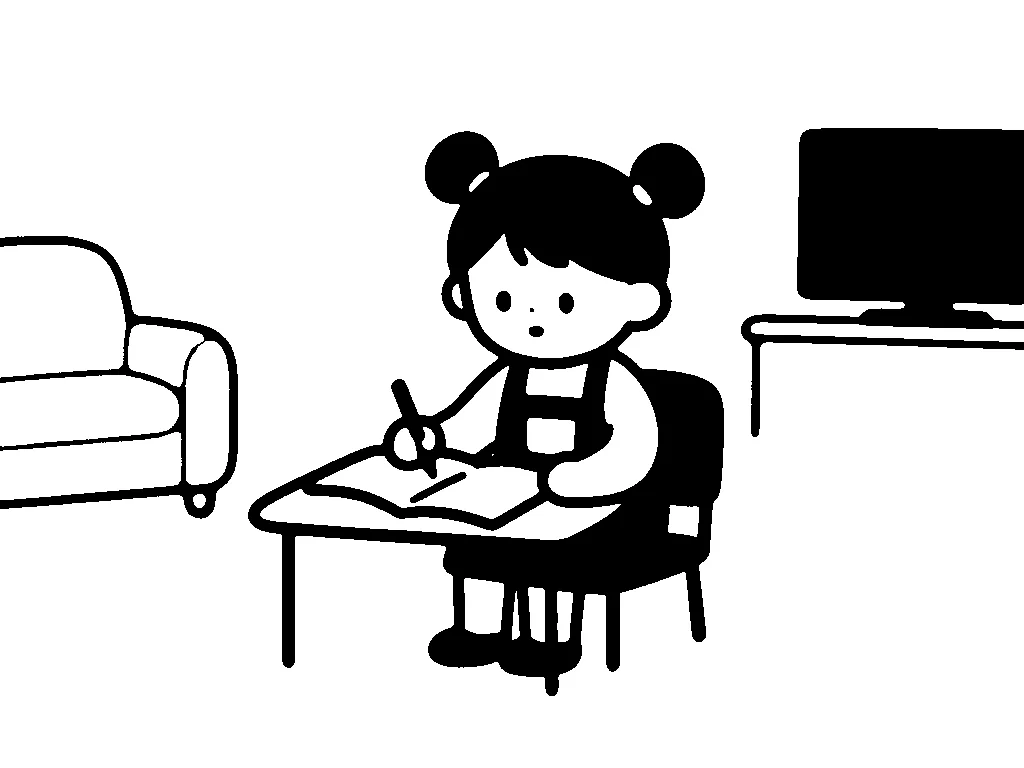
- 今天晚上,我们家看了一个爱情电影。
- 电影的景色很浪漫,演员也不错。
- 可是奶奶说有点儿无聊,就换成了羽毛球比赛。
- 爸爸讲了一个笑话,这个笑话一点儿也不好笑。
- 他说饭店的客人都笑了,可是客人是打折的时候笑的。
- 比赛结束了,我们把电影看完了。
- 电影有点儿无聊,不过演员不错,值得看。
- 这个电影不但景色浪漫,而且演员也很有名。
- 可惜奶奶没看见,可是她一点儿也不觉得可惜。
- 明天奶奶看比赛,我看演员。
- 不过爸爸的笑话,我还想再听一个。
Grammar
一点儿 + 也/都 + 不/没 + V/adj
一点儿也不 + adjective or verb means 'not at all', much stronger than 不 alone: 一点儿也不好笑 is 'not funny at all'. You can use 都 instead of 也. For something that did not happen, use 没: 一点儿也没看见. The pattern is always negative.
- 这个笑话一点儿也不好笑!
- 羽毛球比赛一点儿也不无聊。
- 我一点儿也不觉得可惜。
不但 + A,而且 (+ 还/也) + B
不但……而且…… means 'not only … but also …'. Put 不但 before the first point and 而且 (often with 也 or 还) before the one you add. Same subject: it goes before 不但. Different subjects: each follows its own word, as in 不但演员不错,而且景色也很浪漫.
- 这个电影不但景色浪漫,而且演员也不错。
- 羽毛球比赛不但很精彩,而且大家都爱看。
- 不但演员不错,而且景色也很浪漫。
Characters
- 演 has water on the left for the meaning and 寅 on the right for the sound. Think of a performance that flows out in front of an audience. You see it in 演员 (actor).
- 惜 has the heart radical 忄 on the left because it is a feeling, and 昔 on the right for the sound (惜 sounds like 昔). So 可惜 is a feeling: 'what a pity'.
A saying
众口难调 Literally, 'many mouths are hard to season for'. 众口 is everyone's mouth, and 难调 is hard to suit. People mean that it is hard to please everyone, because tastes differ. It fits a family where one wants a love story and another wants badminton.
What you will be able to say
The lesson ends with a talk. Talk with Xiaolu about a film you watched: say whether it is worth watching, say it was not boring at all, and add a second good thing with 不但……而且…….
- I can say 'not at all' with 一点儿也不: 一点儿也不 + adjective or verb. 这个电影一点儿也不无聊。
- I can give two good points about a film with 不但……而且……. 这个电影不但景色浪漫,而且演员也不错。
- I can say a film or match is worth watching with 值得. 这个电影值得看。
- I can say 'what a pity' with 可惜. 可惜,你没来。
- I can say a film or a show is boring with 无聊. 电影有点儿无聊,不过演员不错。
The closing talk needs an account. On the free plan, the first lesson talk you take in each level is free; Plus and Ultimate use the month's Talk minutes.
This lesson is in Plus. Start this lesson