HSK 4 · Lesson 52 · The manager leads the walk
One more kilometre and we're there! 再走一公里就到了!
Each lesson is a short story in Mandarin with pictures and audio, the words and grammar it uses, and a talk with Xiaolu at the end. All of HSK 1 is free.
This lesson is in Plus. Start this lesson
- About 29 minutes
- 8 new words
- 2 grammar points
- A 3 to 5 minute talk with Xiaolu at the end
Who is in it
- Mr Lin 林先生 Lín xiānsheng
- An'an 安安 Ān'ān
- Fei 林飞 Lín Fēi
New words
- 方向 fāngxiàng direction
- 迷路 mílù to get lost
- 对面 duìmiàn opposite (side)
- 周围 zhōuwéi surroundings, around
- 距离 jùlí distance
- 公里 gōnglǐ kilometre
- 转 zhuàn to turn (向左转); to transfer
- 加油站 jiāyóuzhàn petrol station
The story
At the park, setting off for the photographs
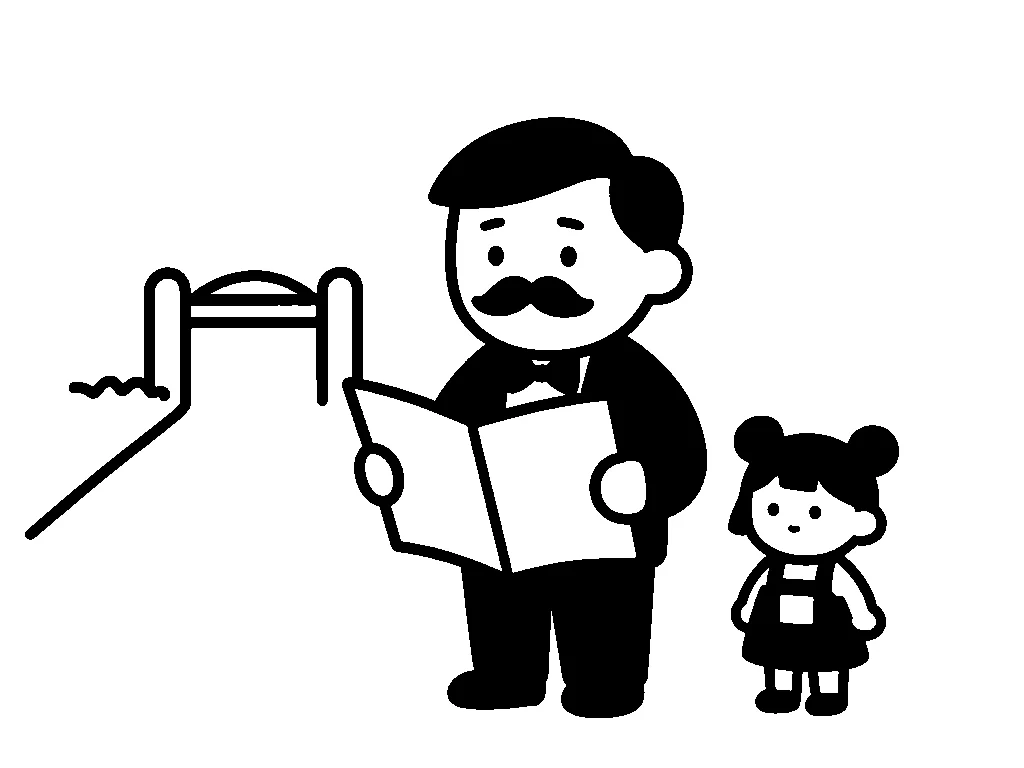
- Mr Lin 今天我们去朋友的饭店看照片,走路去。
- Fei 远吗?我还没吃饭呢。
- Mr Lin 再走一公里就到了!往那个方向走。
- An'an 一公里是多远?
- Mr Lin 不远,二十分钟就到了。
- An'an 我想把距离写在笔记本上。
- Fei 走吧,我已经饿了。
- Mr Lin 大家跟我走!这条路我知道。
On the road, later
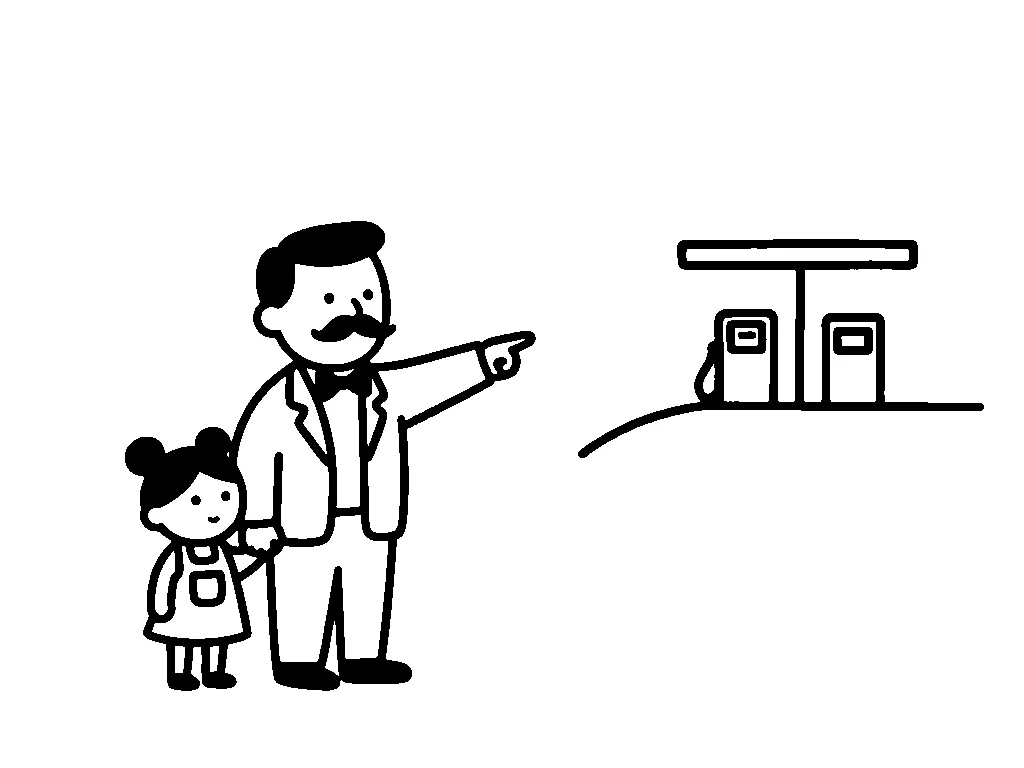
- Fei 爸爸,我们走了很久了,饭店在哪儿?
- Mr Lin 别着急,再走一公里就到了!
- An'an 周围都是树,没有饭店。
- Mr Lin 看,前面有一个加油站。我们在那儿向右转。
- Fei 我们是不是迷路了?
- Mr Lin 没有迷路!是地图错了。
- An'an 你已经说了两次“再走一公里”了。
- Fei 我饿极了,我想吃面条。
- Mr Lin 向右转,再走一公里就到了!
Back at the park gate
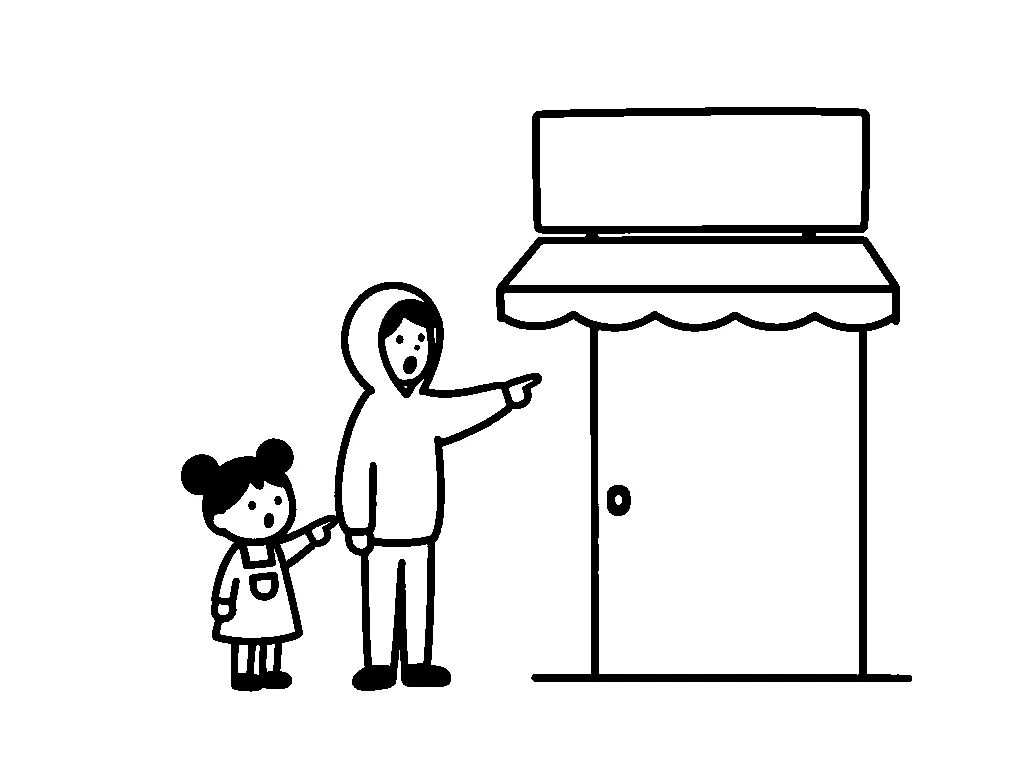
- Mr Lin 再走一公里就到了!这是最后一次。
- An'an 第四次了!我们迷路了吗?
- Mr Lin 没有!往前走,饭店就在前面。
- Fei 往左看!饭店就在公园对面,我们又回来了。
- An'an 笔记本上写着:公园到饭店,距离一百米。
- Mr Lin 一百米?我们走了多远?
- An'an 四公里。
- Mr Lin 每次都是一公里,我没有说错!
- An'an 对,可是方向错了。
- Fei 走吧,饭店里有面条!
An'an's notebook
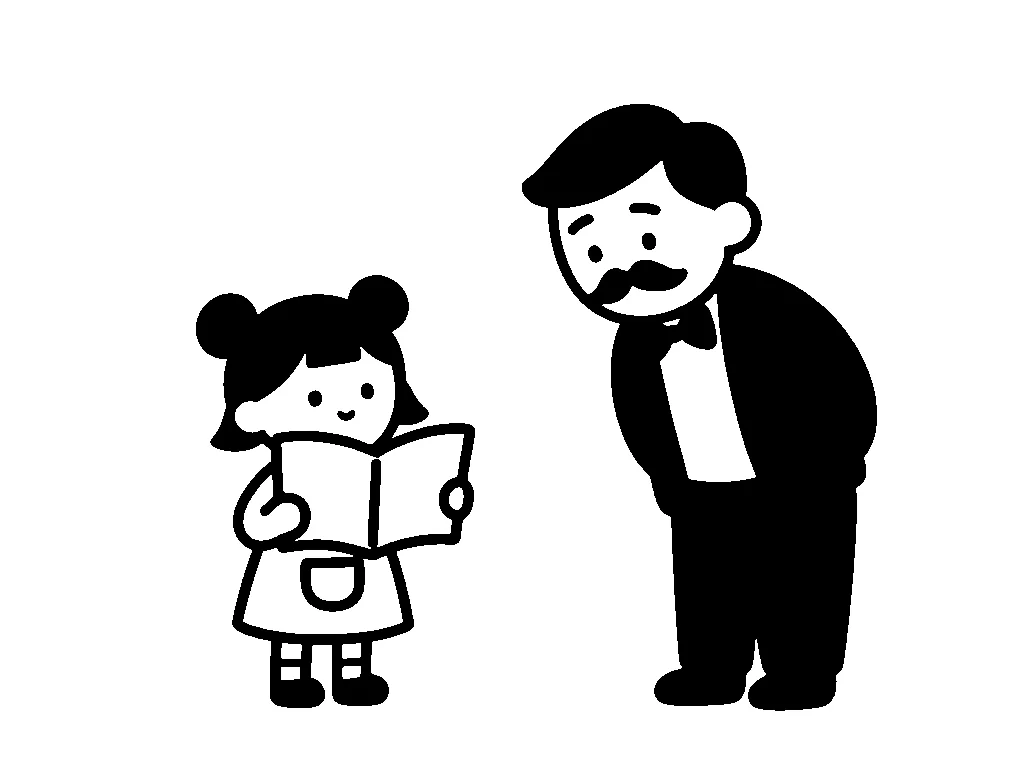
- 星期天,爸爸带我们走路去饭店看照片。
- 我们是从公园出发的。
- 爸爸说:“再走一公里就到了!”
- 我们走了一公里,周围都是树。
- 爸爸又说:“再走一公里就到了!”
- 我们在加油站向右转,爸爸又说了一次。
- 哥哥说他饿极了,想吃面条。
- 第四次,我问:“我们迷路了吗?”
- 爸爸说:“没有!往前走,饭店就在前面。”
- 哥哥往左看:饭店就在公园对面,距离只有一百米!
- 我们走了四公里,爸爸没有说错,只是方向错了。
- 哥哥说:“先吃饭,再看照片!”
- 我在笔记本上写了:“爸爸的一公里,真的是一公里。”
Grammar
往 + direction + V; 到 + place (+了); clause + 就 + clause
往 + direction + verb says which way you go: 往左转, 往前走. 到 means 'reach': 走到饭店了. 就 joins two clauses, 'and then / right away': 往左转,就到了. In this pattern 往 comes before the direction and the verb, never after the verb.
- 往左转,就在对面。
- 再走一公里就到了!
- 我们往前走,就到加油站了。
向 + direction / person + V
向 + direction + verb: 向左转 'turn left', 向前走 'go straight on'. 向 can also take a person: 向他学习 'learn from him'. 向 sounds a little more formal than 往; with directions both work: 往右转 / 向右转. The phrase goes before the verb.
- 向右转,再走一公里。
- 我们向前走,就到饭店了。
- 有人向我问路。
Characters
- 迷 辶 means moving along a road; 米 gives the sound. Walking along a road and not knowing the way: lost.
- 转 车 on the left: a wheeled vehicle. Wheels turn, so 转 means to turn. 专 on the right gives the sound.
A saying
南辕北辙 Literally: the cart's shafts point south but its wheels roll north. A man wants to go south, yet drives his cart north. People say it when someone's actions go the opposite way from their goal, like walking four kilometres in the wrong direction to reach a restaurant that is just opposite.
What you will be able to say
The lesson ends with a talk. Xiaolu is lost near the park on her way to the restaurant. On the phone, tell her which way to turn, where the restaurant is and how far it is.
- I can tell someone which way to go with 往 + direction + verb, and say they will arrive with 就. 往左转,就到了。
- I can tell someone to turn or go straight with 向 + direction + verb. 向右转,再走一公里。
- I can say whether someone is lost (迷路). 你没有迷路。
- I can say how far it is, using the word 距离 (and a number of 公里 or 米). 从公园到饭店的距离是一百米。
- I can say where something is, opposite another place (对面). 饭店在公园对面。
The closing talk needs an account. On the free plan, the first lesson talk you take in each level is free; Plus and Ultimate use the month's Talk minutes.
This lesson is in Plus. Start this lesson