HSK 4 · Lesson 29 · The reading class
Please read this article again 这篇文章请再读一遍。
Each lesson is a short story in Mandarin with pictures and audio, the words and grammar it uses, and a talk with Xiaolu at the end. All of HSK 1 is free.
This lesson is in Plus. Start this lesson
- About 28 minutes
- 7 new words
- 2 grammar points
- A 3 to 5 minute talk with Xiaolu at the end
Who is in it
- Mia 米亚 Mǐyà
- Fei 林飞 Lín Fēi
- An'an 安安 Ān'ān
- Teacher Gao 高老师 Gāo lǎoshī
New words
- 阅读 yuèdú to read; reading
- 文章 wénzhāng article, essay
- 篇 piān 篇 (measure word for articles, essays)
- 页 yè 页 (measure word: page)
- 遍 biàn 遍 (verbal measure: once through, 读一遍)
- 重新 chóngxīn again, anew, all over again
- 预习 yùxí to prepare (a lesson) in advance
The story
The reading class, start of the lesson
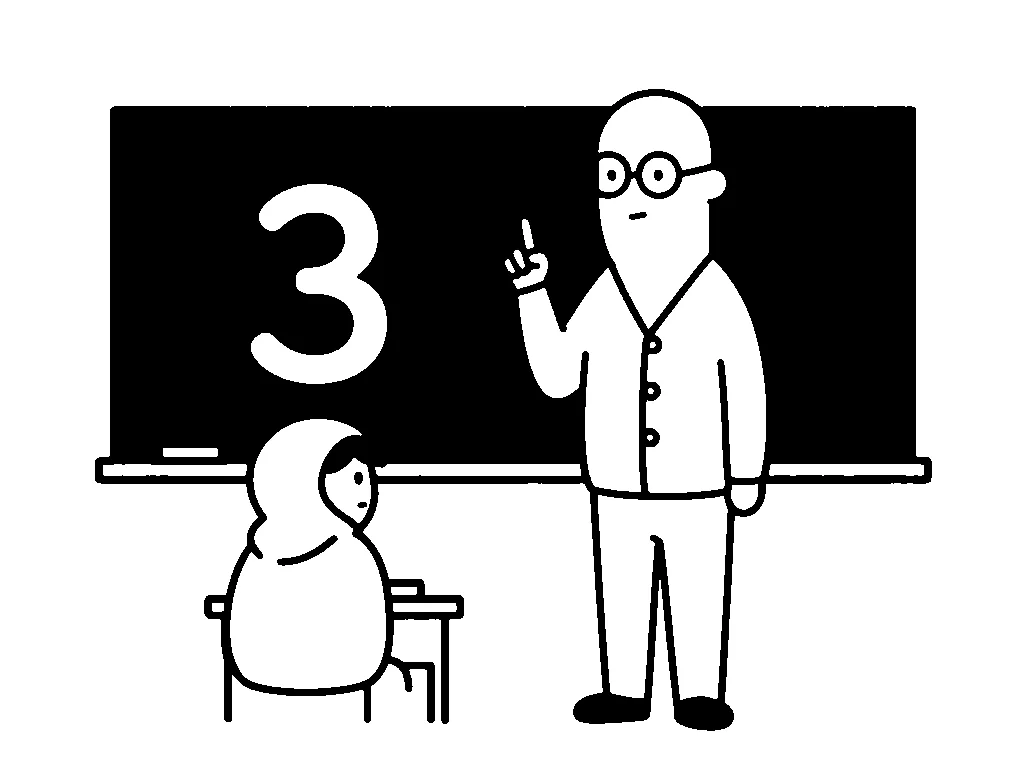
- Teacher Gao 大家好。今天我们阅读一篇文章,是关于杯子的。
- Teacher Gao 请看第三页,先读一遍。
- Fei 第三页?老师,我预习的是第五页。
- Mia 林飞,你预习错页了。
- Teacher Gao 第五页的文章是关于什么的?
- Fei 是关于饺子的。我读了三遍,非常清楚。
- Teacher Gao 饺子也很好,不过今天是杯子。
- Fei 好,晚上我再读一遍饺子那篇。
The reading class, after the first reading
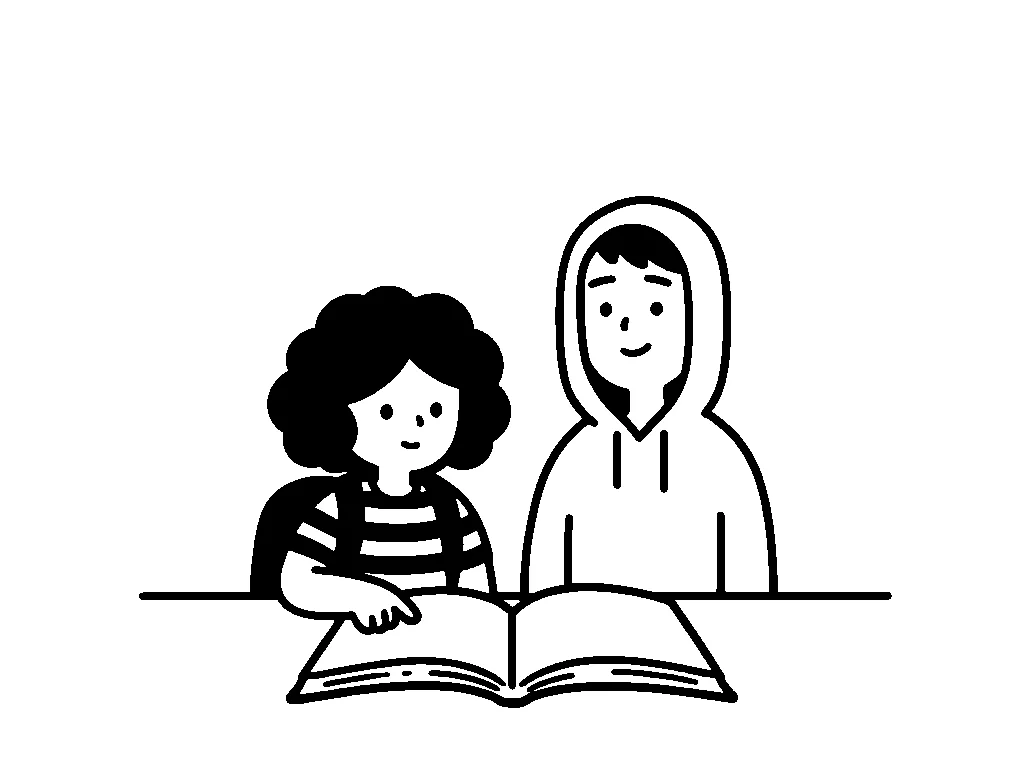
- Teacher Gao 这篇文章请再读一遍。
- Fei 老师,第几页?
- Teacher Gao 第三页,重新开始。
- Fei 刚才我又读了一遍饺子。
- Teacher Gao 我知道。第三页是杯子,我再说一次,是杯子。
- Mia 林飞,我的书在这儿,你看第三页。
- Fei 谢谢!杯子,不是饺子。我重新开始。
- Teacher Gao 很好。这次我们一起读,大家慢一点儿。
At home, in the evening
- Fei 安安,我预习错页了,明天要重新预习。
- An'an 哥哥,你要预习哪篇文章?
- Fei 第三页,关于杯子的那篇。
- An'an 那篇我已经读过了,我昨天看了它两遍。
- Fei 你昨天读了两篇文章?
- An'an 对,杯子一篇,饺子一篇。
- An'an 文章的意思,我已经写在笔记本里了。
- Fei 太好了!给我看看。
- An'an 你先自己读一遍,我再给你看。
- Fei 好,我读一遍,你听一遍。
An'an's notebook
- 今天哥哥在高老师的阅读课上读错了页。
- 他预习了第五页,可是老师要读的是第三页。
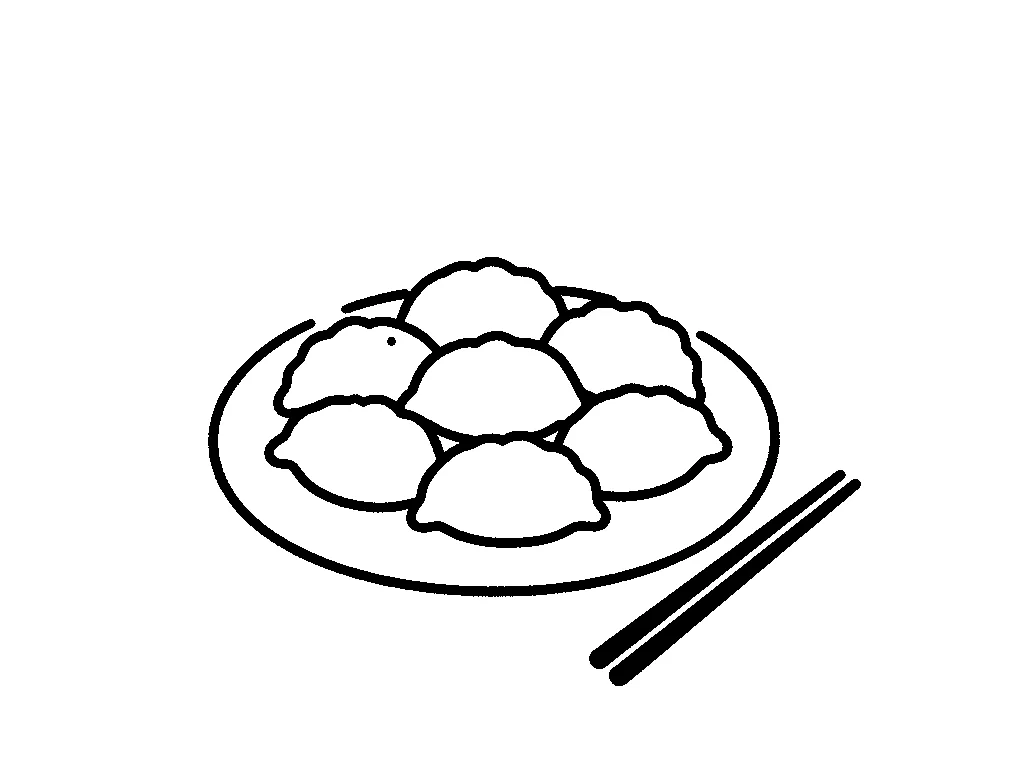
- 第五页是一篇关于饺子的文章,他在家读了三遍。
- 课上他又读了一遍饺子,老师笑了。
- 高老师说,饺子的文章也很好,不过今天要读杯子。
- 第三页是一篇关于杯子的文章,他重新读了两遍。
- 我的笔记本里已经有这两篇文章的意思了。
- 哥哥说,他每次都要先看清楚是第几页。
- 我觉得他现在一定很想吃饺子。
Grammar
V + 数 + 遍 / 次;V了 + 它 + 数 + 遍
遍 counts a whole action from start to finish: 读一遍 is 'read it through once'. 次 only counts occasions: 说一次. The number sits between verb and measure, and a pronoun object goes before it: 看了它两遍. 再读一遍 is 'once more'; 重新读 starts all over.
- 这篇文章请再读一遍。
- 我读了三遍。
- 我昨天看了它两遍。
- 我再说一次。
数 + 篇 + 文章;第 + 数 + 页
Articles are counted with 篇: 一篇文章, 两篇文章, 这篇文章. Pages are counted with 页, and 第 turns the number into an order: 第三页. Say the number first, then the measure word, then the noun. The measure word stays the same for any article or page.
- 这篇文章在第三页。
- 第五页有一篇关于饺子的文章。
- 我昨天读了两篇文章。
- 请看第三页。
Characters
- 遍 The walking radical shows going all the way along; 扁 gives the sound. 遍 is one whole trip through something, from the start to the end.
- 篇 Bamboo on top for the meaning: in old times writing was done on bamboo, so 篇 is a piece of writing, an article. 扁 gives the sound. 遍 and 篇 share 扁, so check the top part.
A saying
熟能生巧 Literally: 'when you are familiar with something, skill is born'. People say it to mean that practice makes perfect: read the article again and again, and it gets easier.
What you will be able to say
The lesson ends with a talk. Talk with Xiaolu about her reading class: say which article you read and how many times, say which page it is on, and say what you will do again.
- I can say how many times I read something through with 遍. 这篇文章我读了三遍。
- I can say which page an article is on and count articles with 篇 and 页. 第三页有一篇关于杯子的文章。
- I can say I will start again from the beginning with 重新. 我想重新开始。
- I can say I prepared a lesson in advance with 预习. 我预习了这篇文章。
- I can talk about the reading class with 阅读. 今天我们有阅读课。
The closing talk needs an account. On the free plan, the first lesson talk you take in each level is free; Plus and Ultimate use the month's Talk minutes.
This lesson is in Plus. Start this lesson