HSK 4 · Lesson 49 · The savings bottle
He actually saved every coin! 他竟然把零钱都存起来了!
Each lesson is a short story in Mandarin with pictures and audio, the words and grammar it uses, and a talk with Xiaolu at the end. All of HSK 1 is free.
This lesson is in Plus. Start this lesson
- About 29 minutes
- 8 new words
- 2 grammar points
- A 3 to 5 minute talk with Xiaolu at the end
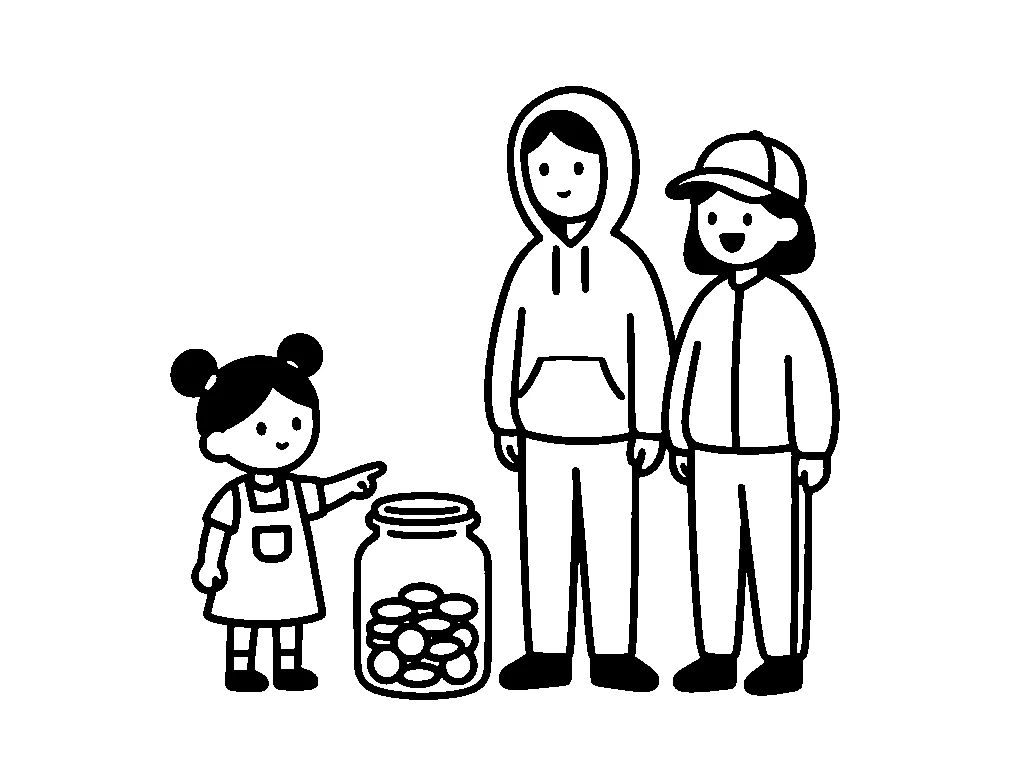
Who is in it
- Fei 林飞 Lín Fēi
- An'an 安安 Ān'ān
- Grandma 奶奶 nǎinai
New words
- 存 cún to save, deposit (money); to store
- 赚 zhuàn to earn (money)
- 收入 shōurù income
- 节约 jiéyuē to save, economise
- 浪费 làngfèi to waste
- 富 fù rich, wealthy
- 穷 qióng poor (not rich)
- 竟然 jìngrán unexpectedly, to one's surprise
The story
In the living room
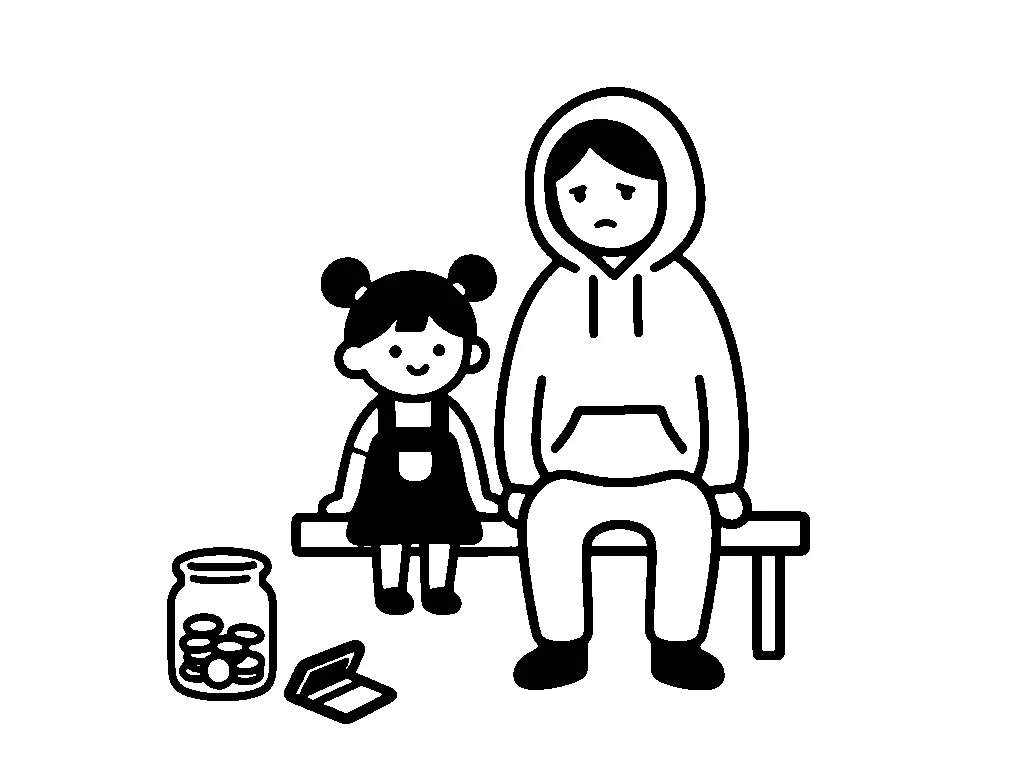
- An'an 哥哥,你看,我的瓶子里有很多零钱!
- Fei 你把零钱都存在瓶子里了?
- An'an 对,我每天都存一点儿。你的钱包呢?
- Fei 我的钱包里……只有三块钱。
- An'an 我的瓶子很富,你的钱包很穷。
- Fei 钱包穷?我昨天还有三十块呢!
- An'an 那三十块去哪儿了?
- Fei 我坐出租车去超市,还买了两个包子。
- An'an 超市很近,你为什么不跑去?
- Fei 因为……我饿了。
In the kitchen, that evening
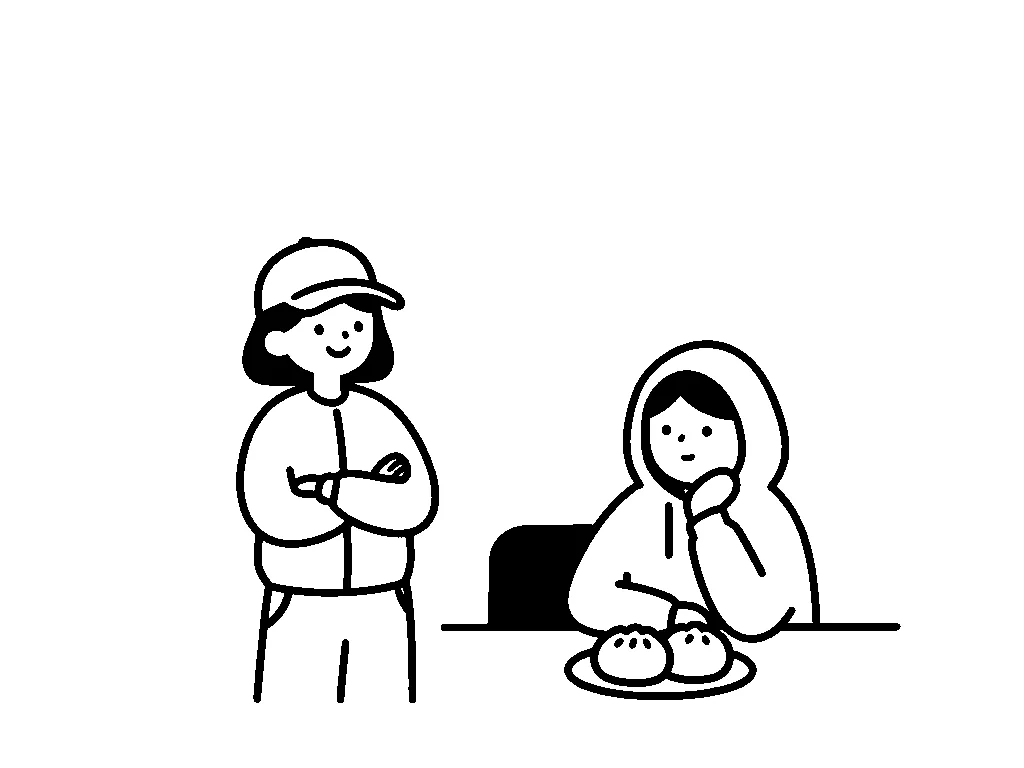
- Grandma 林飞,听说你坐出租车去超市买包子?
- Fei 对,我太饿了,没有时间跑。
- Grandma 这是浪费!我们家有两个规定。
- Grandma 第一,不浪费。第二,能跑去的地方,不花钱。
- Fei 可是我没有收入,怎么节约?
- Grandma 我年轻的时候,收入不高,可是每个月都存一半。
- An'an 我帮妈妈洗碗,一次赚一块钱。
- Grandma 好办法!林飞,你去饭店帮忙,也能赚钱。
- Fei 好,赚了钱,我也把零钱存起来!
- Grandma 对。不浪费,也是节约。包子也跑去买!
At the front door, a week later
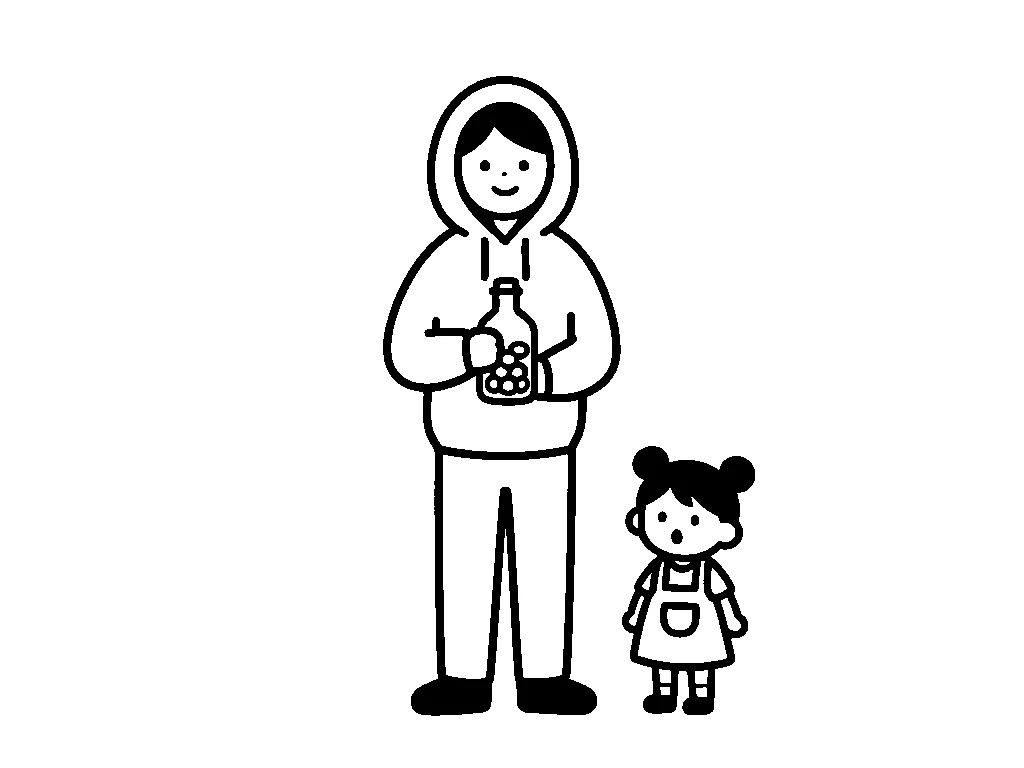
- An'an 奶奶,你看!哥哥的新瓶子里都是零钱。
- Grandma 真的?他以前买一个包子,也要坐出租车。
- An'an 他竟然把零钱都存起来了!
- Fei 我也想节约,刚开始呢。
- Grandma 很好,别浪费。你的钱包还穷吗?
- Fei 钱包还穷,可是瓶子不穷了:三十块!
- An'an 三十块?和你以前钱包里的钱一样多!
- Fei 对!这个星期,我一次出租车也没坐。
- Grandma 好!我们比赛,看谁先跑到超市。
- Fei 好!包子在前面等我们!
An'an's notebook
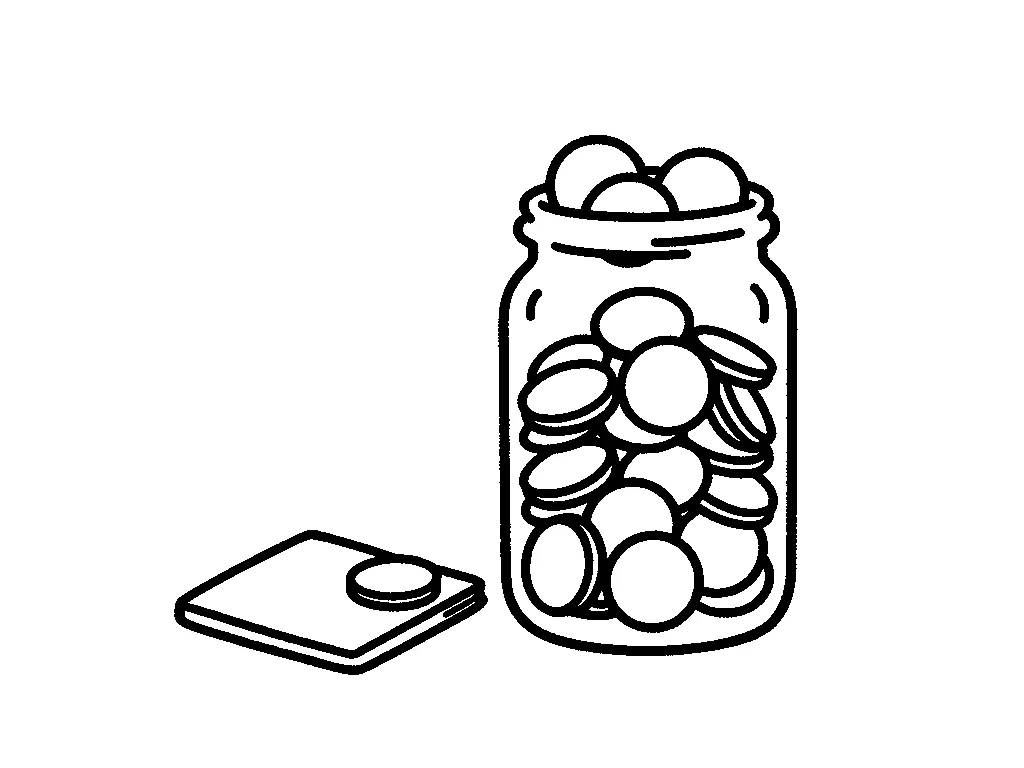
- 这个星期,哥哥一次出租车也没坐。
- 他把零钱都存起来了,一共三十块。
- 他以前买包子也坐出租车,现在竟然跑去了。
- 这是奶奶的规定:不浪费,近的地方就跑去。
- 我的瓶子里有八十块,是我洗碗赚的。
- 我的瓶子很富,他的钱包还很穷。
- 可是他说,去饭店帮忙,他也能有收入。
- 奶奶说,赚钱不容易,节约更重要。
- 奶奶还说,钱不多没关系,每天都存一点儿就好。
- 哥哥刚开始存钱,我已经存了很久了。
- 我们都要节约,不能浪费。
- 今天,我们三个人一起跑去超市买包子。
Grammar
S + 竟然 + V (a surprising result)
竟然 means 'unexpectedly': the result surprises the speaker. Its usual place is after the subject, before the verb: 他竟然把零钱都存起来了! 却 also marks a result against expectation, but it links two ideas and only comes after the subject.
- 他竟然把零钱都存起来了。
- 他以前买包子也坐出租车,现在竟然跑去了。
- 钱包里竟然一块钱都没有!
S + 把 + O + V + 起来 / 在 + place / 了
把 moves the object before the verb, so the sentence says what is done to it. The verb never stands alone: add 了 or a complement. 把零钱存起来了 gathers the coins together; 把零钱存在瓶子里 says where they end up.
- 他把零钱都存起来了。
- 安安把零钱存在瓶子里。
- 林飞把钱包放在桌子上了。
Characters
- 存 means to keep or save: coins kept safe in a bottle. 子 is the meaning part and 才 gives the sound; in today's form the 才 is drawn a little changed, so it looks different from a plain 才.
- 赚 The shell 贝 is the old sign for money, so 赚 is about money coming in. 兼 gives the sound. You will find 贝 in many money words.
A saying
日积月累 Literally: day by day piling up, month by month gathering. A little added every day slowly becomes a lot. People say it about small steady efforts that build up over time, like coins dropped into a bottle a few at a time.
What you will be able to say
The lesson ends with a talk. Talk with Xiaolu about saving money: say what you put in your savings bottle with 把, say something that surprises you with 竟然, and say how you save or what you do not waste.
- I can say where I put my coins using 把: 把 + thing + 存起来 / 存在 + place. 我把零钱都存起来了。
- I can say something surprising with 竟然, after the subject and before the verb. 我的朋友竟然把零钱都存起来了!
- I can say how I earn money (赚). 我洗碗赚钱。
- I can say that I want to save money (节约) and how. 我想节约,所以不坐出租车。
- I can say what counts as waste (浪费). 买了不吃就是浪费。
The closing talk needs an account. On the free plan, the first lesson talk you take in each level is free; Plus and Ultimate use the month's Talk minutes.
This lesson is in Plus. Start this lesson