HSK 4 · Lesson 2 · A knock at the kitchen door
So it was you! 原来是你呀!
Each lesson is a short story in Mandarin with pictures and audio, the words and grammar it uses, and a talk with Xiaolu at the end. All of HSK 1 is free.
This lesson is in Plus. Start this lesson
- About 28 minutes
- 7 new words
- 2 grammar points
- A 3 to 5 minute talk with Xiaolu at the end
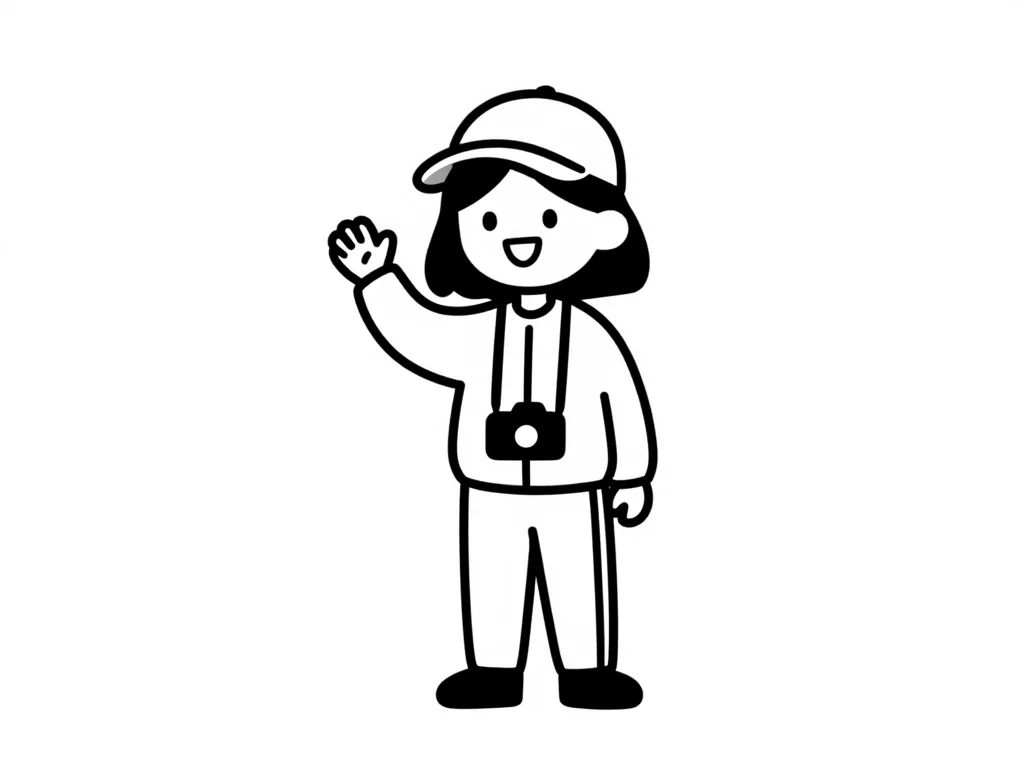
Who is in it
- Fei 林飞 Lín Fēi
- An'an 安安 Ān'ān
- Grandma 奶奶 nǎinai
New words
- 原来 yuánlái so it turns out; originally
- 本来 běnlái originally, at first
- 呀 ya 呀 (sentence-final particle, 啊 after a vowel)
- 敲 qiāo to knock
- 猜 cāi to guess
- 开心 kāixīn happy, having fun
- 心情 xīnqíng mood
The story
At the restaurant's back door, after closing
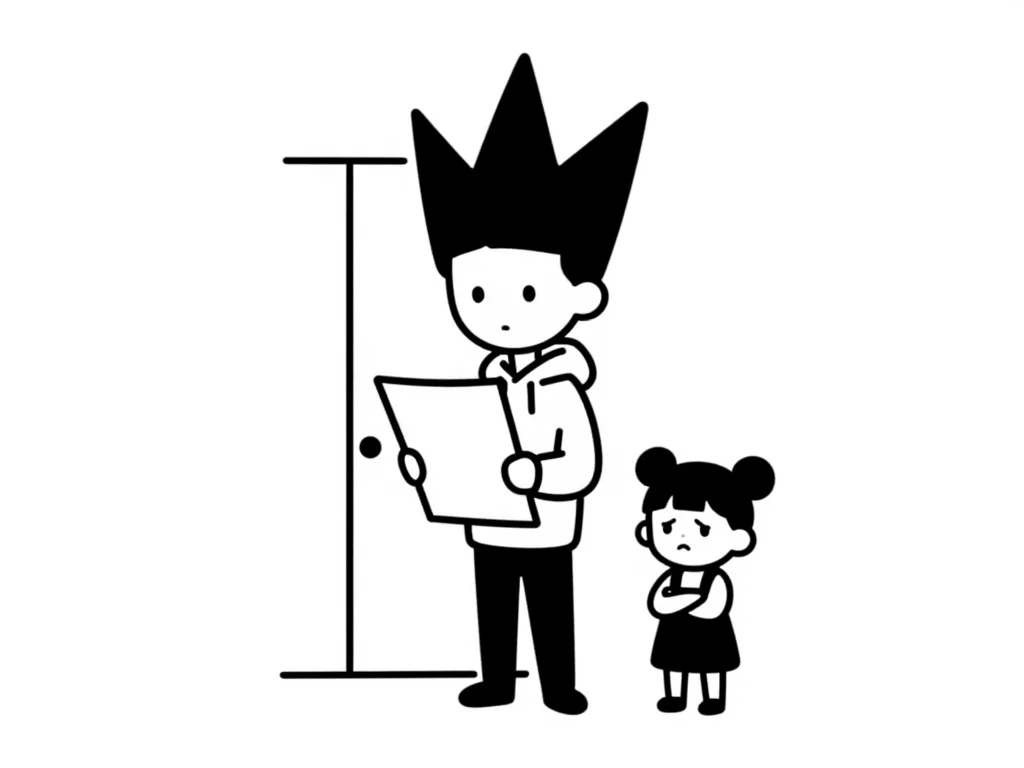
- An'an 谁在敲门?你猜猜。
- Fei 我猜是客人。我去拿菜单!
- An'an 现在十点了,饭店九点就关门了。
- Fei 是个很饿的客人吧。
- An'an 客人敲门都说话,这个人没说话。
- Fei 这个客人不太想说话。
- An'an 你快去呀!
- Fei 好,我去看看。
At the back door, a moment later
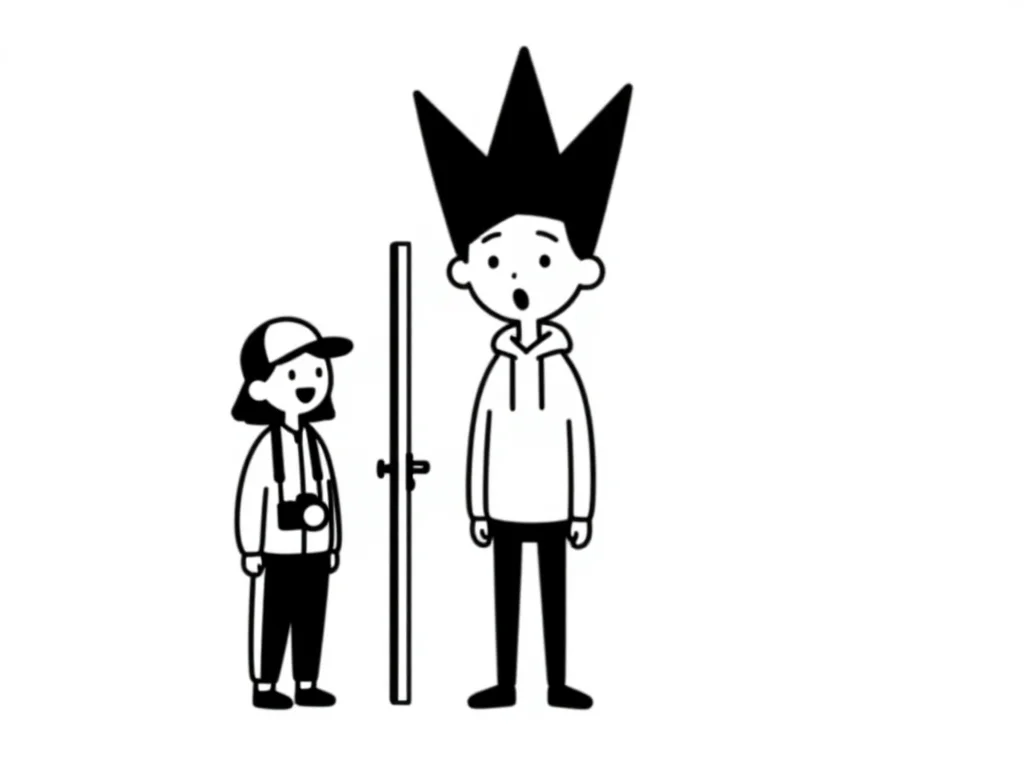
- Fei 原来是你呀!
- Grandma 是呀。前门关了,我就来敲后门。
- An'an 原来是奶奶呀!哥哥猜错了。
- Fei 我本来想给客人做面条。
- Grandma 面条?我走了两个小时,我也是很饿的客人!
- An'an 奶奶,你去哪儿了?
- Grandma 我带着照相机出去走了走。我本来想八点回来……
- Fei 后来呢?
- Grandma 后来我看见了月亮,今天的月亮多么大啊!
At the table, over a bowl of noodles
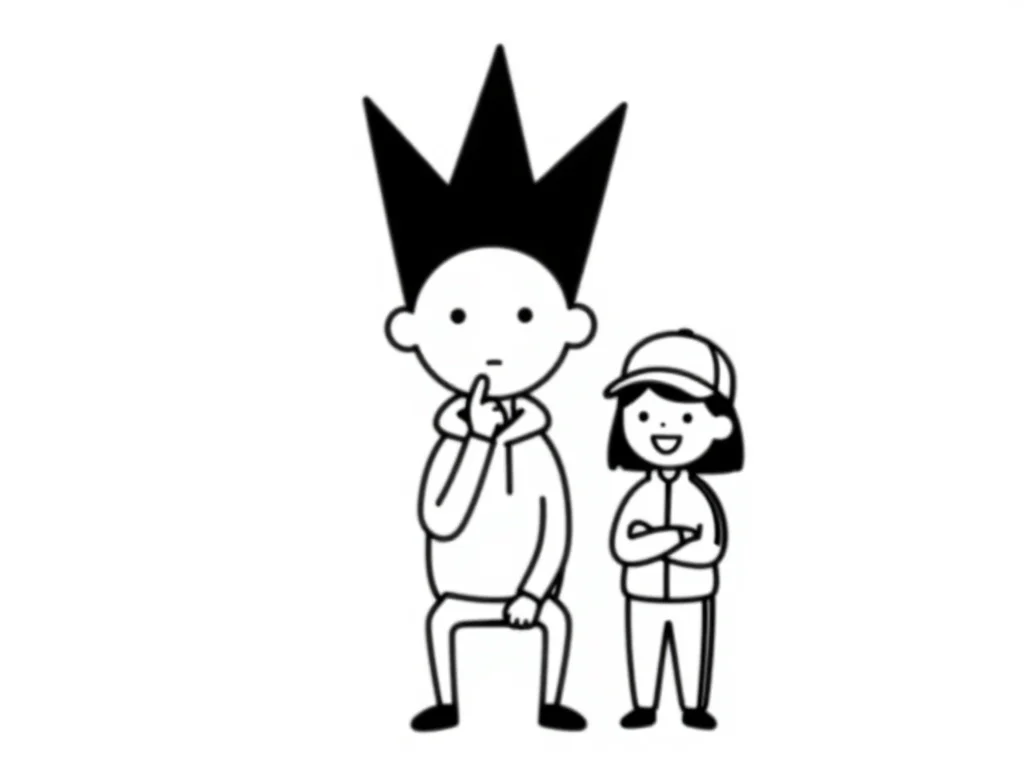
- Grandma 面条真好吃!我今天心情很好。
- An'an 奶奶很开心,我也很开心!
- Grandma 我们玩一个游戏吧,叫猜猜看。
- An'an 怎么玩?
- Grandma 你去敲后门,我和林飞猜是谁。
- An'an 好!等一下。
- Fei 我又猜是客人!
- Grandma 我猜是安安。她做什么都很快。
- Fei 我去开门……原来是你呀!
- Grandma 我猜对了!林飞,再给我一碗面条。
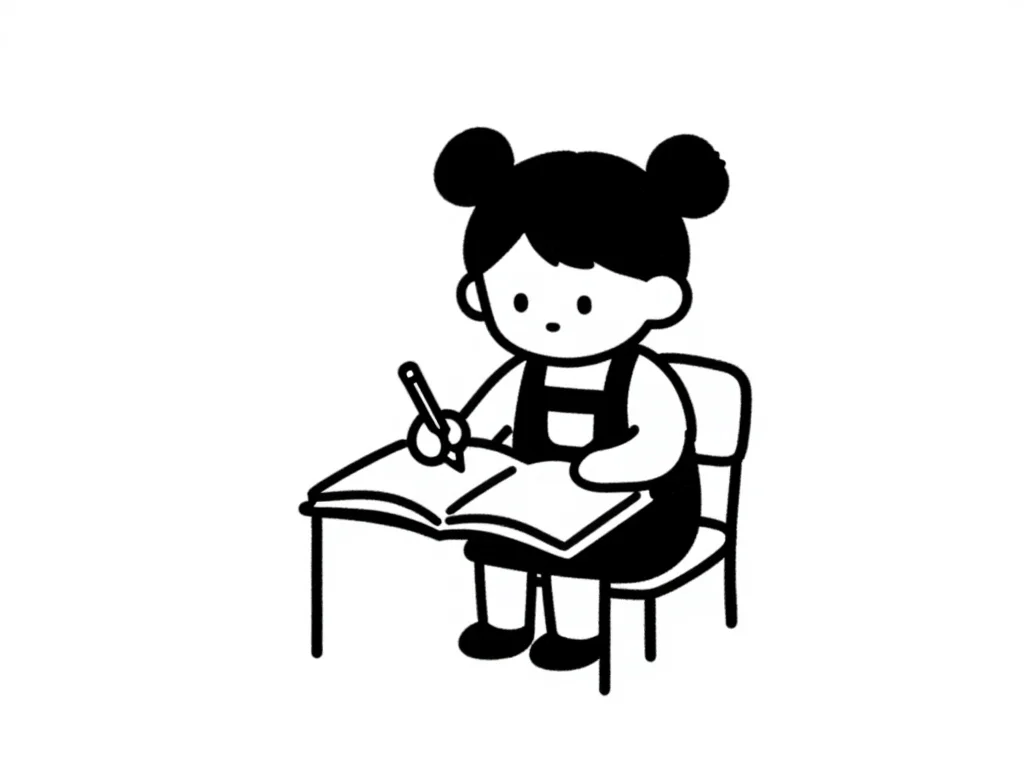
An'an's notebook
- 昨天晚上,有人在敲饭店的后门。
- 哥哥猜是很饿的客人,还去拿了菜单。
- 我说饭店九点就关门了,现在没有客人。
- 哥哥去开了门,大家一看,都笑了。
- 原来是奶奶,她本来想八点回来,后来看见了月亮。
- 她看见大大的月亮,就多走了一会儿。
- 她带着照相机走了两个小时,真的是很饿的客人。
- 面条做好了,奶奶的心情很好,我们也很开心。
- 然后我们第一次玩了猜猜看。
- 奶奶猜是我,她猜对了!
- 我在笔记本上写:第一次猜猜看,大家都很开心。
Grammar
原来是…! | 本来……,后来……
原来 marks a sudden realisation: 原来是你 means 'so it was you'. 本来 says how things were first, and 后来 tells the change: 本来想去,后来没去. Don't use 本来 for a surprise. 原来 can also mean 'originally', but the realisation use is the one to learn here.
- 原来是奶奶呀!
- 我本来想给客人做面条。
- 原来是奶奶,她本来想八点回来,后来看见了月亮。
… + 呀 (啊 after a vowel sound)
呀 is a softer form of 啊, often used after a vowel sound: 是呀, 你呀, 快去呀. It softens an exclamation, a question or an urging. 啊 is still fine too, and it stays after a consonant ending (今天多么冷啊). Either way, the particle comes at the very end of the sentence.
- 原来是你呀!
- 是呀,是我。
- 你快去呀!
Characters
- 猜 The animal radical 犭 stands on the left and 青 on the right gives the sound. Many characters with 犭 are about animals, but 猜 is about the mind: to guess.
- 敲 On the left 高 gives the sound. On the right 攴 is a hand with a stick, which is why the character is about striking: to knock.
A saying
不速之客 Literally 'the guest who was not summoned' (速 is an old word for 'to invite'). People use it for a visitor who turns up without being invited or expected, sometimes with a light hint that the timing is awkward, like someone knocking at the back door late at night.
What you will be able to say
The lesson ends with a talk. Help Xiaolu close up her noodle shop for the night: guess who is knocking at the back door, react when the door opens, say what you had planned and what changed, and say how your mood is.
- I can guess who is at the door with 猜. 我猜是客人。
- I can show surprise when the door opens: 原来是… 原来是你呀!
- I can say what I planned first and what changed: 本来…,后来… 我本来想休息,后来朋友来了。
- I can soften an exclamation or an urging with 呀. 是呀,是我。
- I can say how my mood is, and that I am happy (开心). 我今天心情很好。
The closing talk needs an account. On the free plan, the first lesson talk you take in each level is free; Plus and Ultimate use the month's Talk minutes.
This lesson is in Plus. Start this lesson