HSK 4 · Lesson 14 · Two tables, one order
Sorry, it's a misunderstanding! 抱歉,这是一个误会!
Each lesson is a short story in Mandarin with pictures and audio, the words and grammar it uses, and a talk with Xiaolu at the end. All of HSK 1 is free.
This lesson is in Plus. Start this lesson
- About 26 minutes
- 8 new words
- 1 grammar point
- A 3 to 5 minute talk with Xiaolu at the end
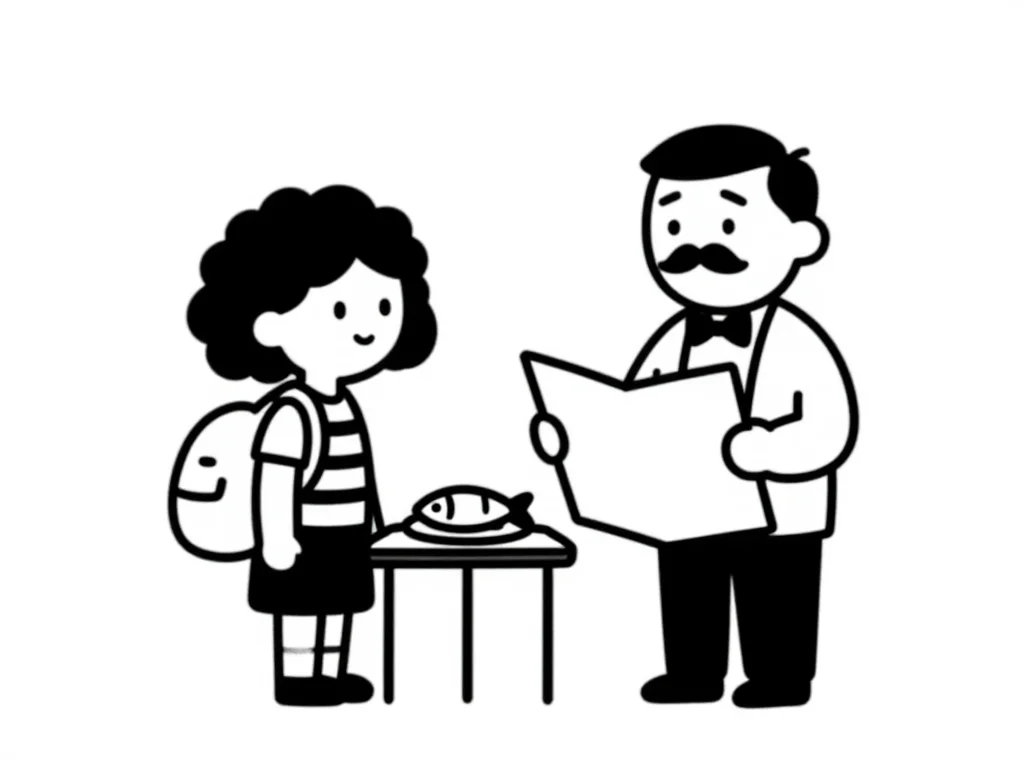
Who is in it
- Mia 米亚 Mǐyà
- Mr Lin 林先生 Lín xiānsheng
- Guest at the window table 窗户旁边的客人
- Guest at the door table 门旁边的客人
New words
- 抱歉 bàoqiàn sorry, to feel sorry (很抱歉)
- 道歉 dàoqiàn to apologise
- 原谅 yuánliàng to forgive
- 误会 wùhuì to misunderstand; a misunderstanding
- 解释 jiěshì to explain
- 麻烦 máfan troublesome; to trouble (someone)
- 打扰 dǎrǎo to disturb (打扰一下)
- 原因 yuányīn reason, cause
The story
At the door table, noon
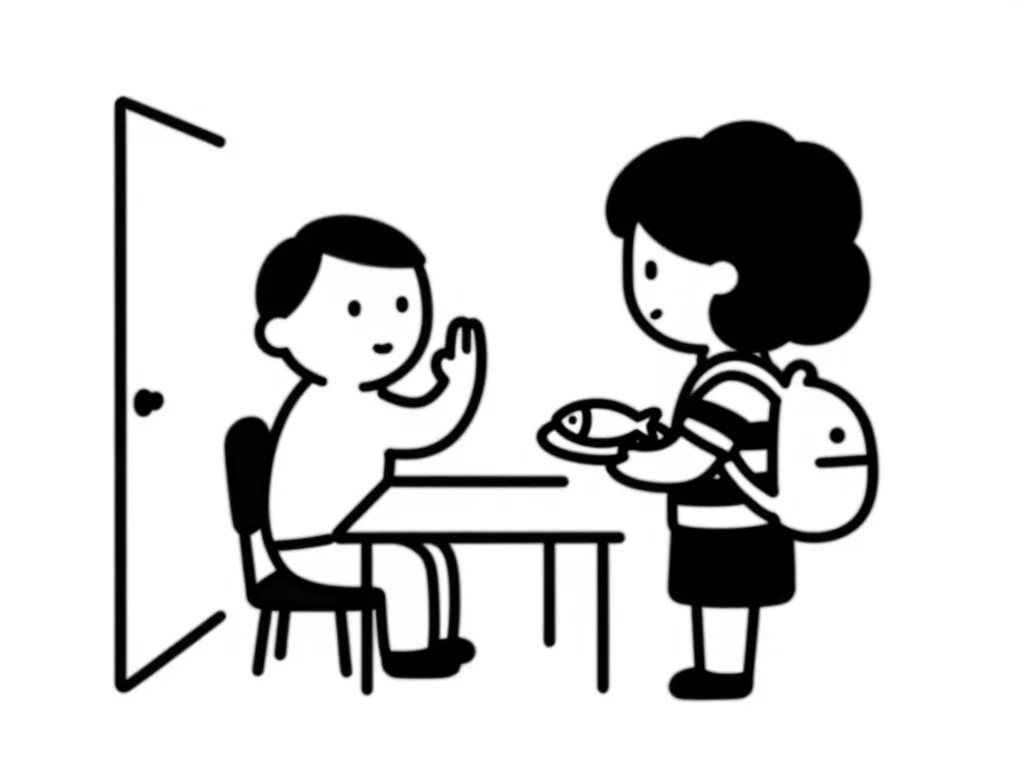
- Mia 打扰一下,这是你们要的鱼。
- Guest at the door table 不是,我们要的是面条。
- Mia 你们没要鱼吗?
- Guest at the door table 对,我们没要鱼。
- Mia 抱歉,这是一个误会!我去问问。
- Guest at the door table 没关系,不麻烦。我们不着急。
- Mia 谢谢!我马上回来。
At the window table, a little later
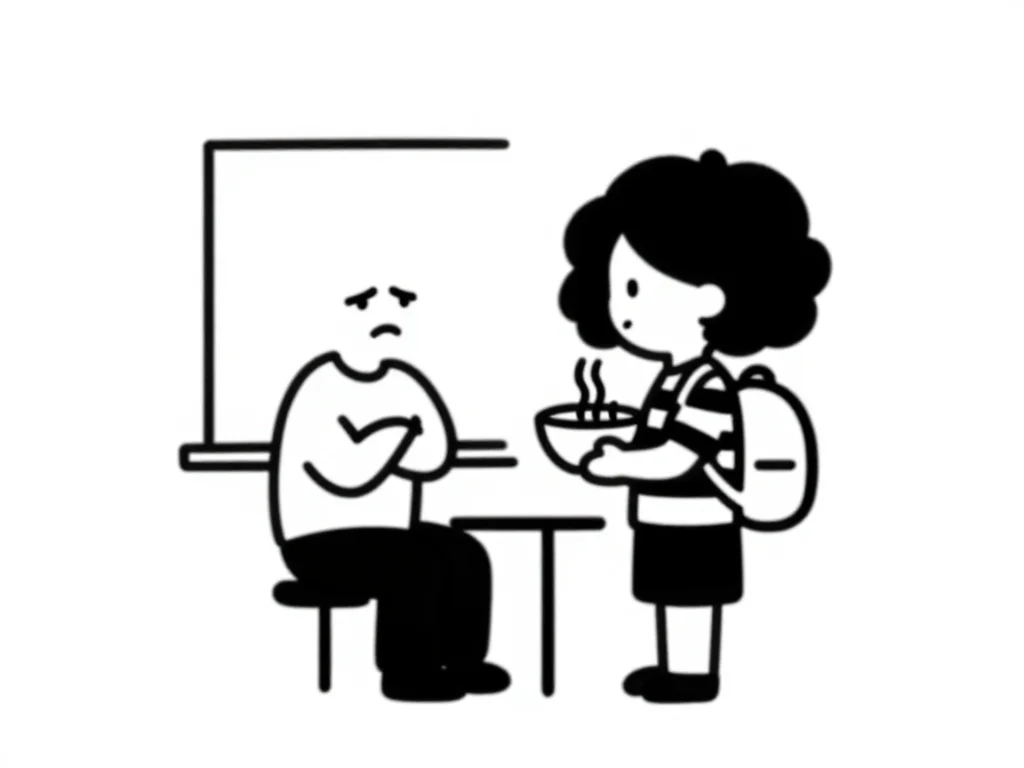
- Mia 打扰一下,你们的面条来了。
- Guest at the window table 面条?我们要的是鱼。我们等了三十分钟了。
- Mia 鱼?我把鱼拿到门旁边了!
- Guest at the window table 我们饿极了。
- Mia 非常抱歉!我为这个误会向你们道歉,请原谅我。
- Guest at the window table 好,我原谅你。不过请快一点儿。
- Mia 为了不让你们再等,我去厨房看看。
In the restaurant kitchen
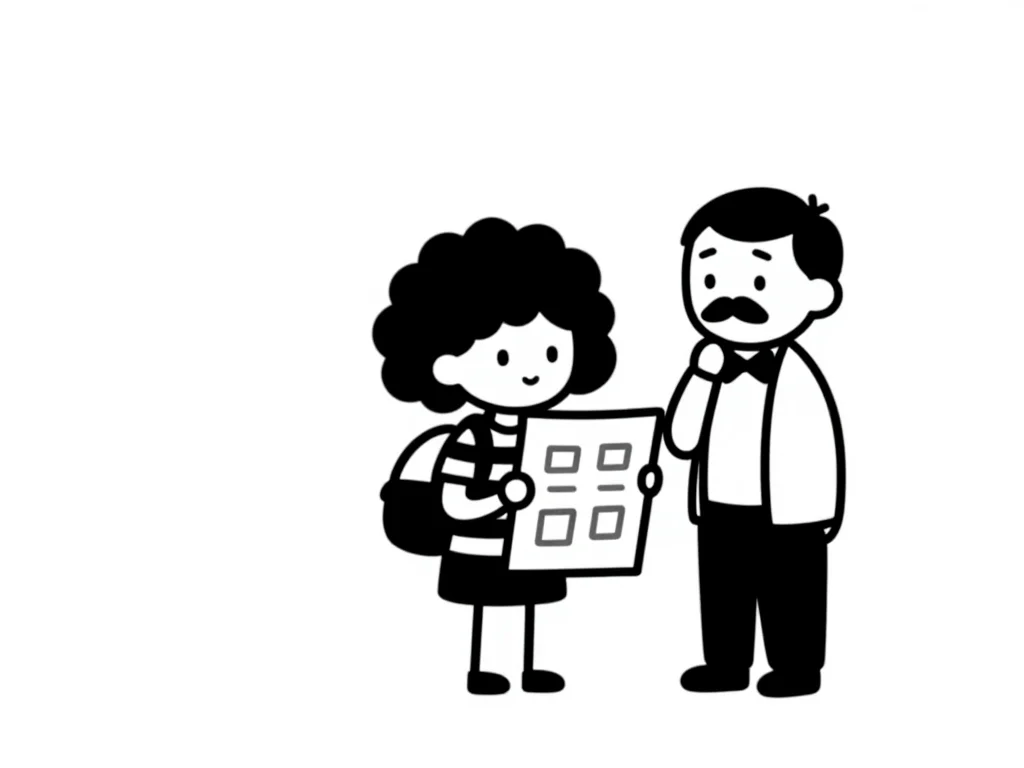
- Mr Lin 米亚,怎么两次都拿错了?
- Mia 窗户旁边是六,门旁边也是六。
- Mr Lin 不可能!这个饭店里的每张桌子在哪儿,我都知道。
- Mia 林先生,原因是我的第一张地图。
- Mr Lin 地图?给我看看。
- Mia 您看,两张桌子我都写了六。
- Mr Lin 桌子在哪儿我都知道,你的地图我一点儿也不明白。
- Mia 我解释一下:第一张我做得太快了。
- Mr Lin 还有第二张?
- Mia 有!这张地图上,每张桌子都不一样。
Mia's notebook
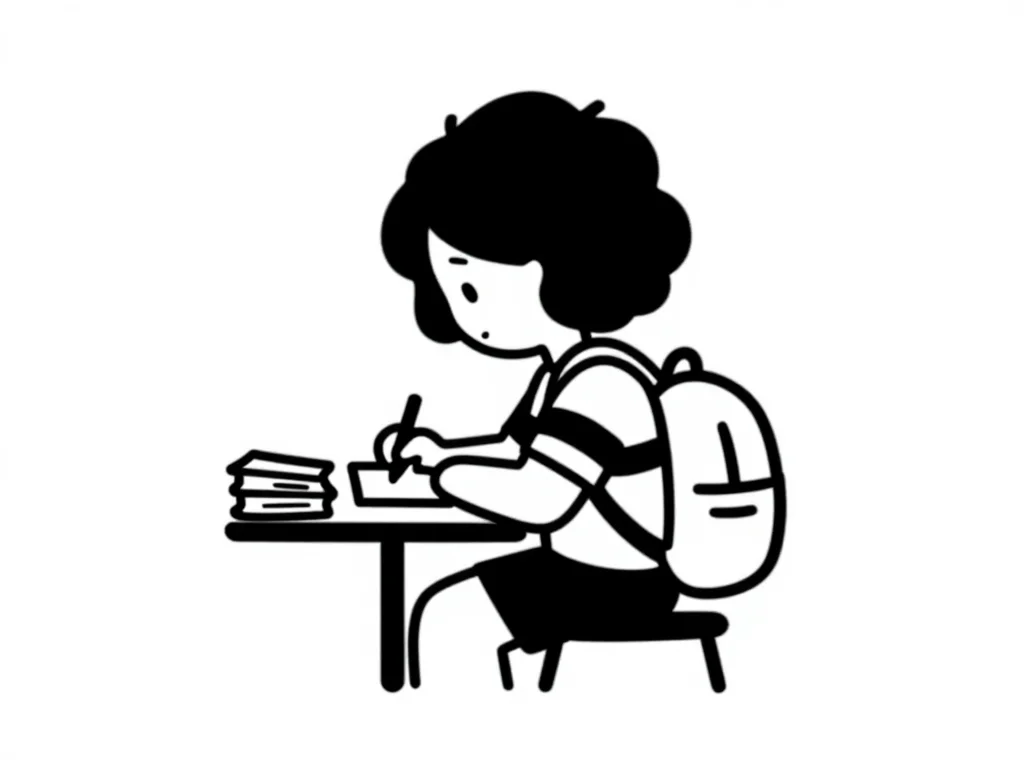
- 今天中午,我两次都把菜拿错了。
- 窗户旁边的客人要了鱼,门旁边的要了面条。
- 原因很简单:我的第一张地图上,两张桌子都是六。
- 我向两张桌子的客人解释了原因。
- 我也为这个误会向他们道歉了。
- 门旁边的客人说:“没关系,不麻烦。”
- 林先生说,桌子在哪儿他都知道,可是我的地图他不明白。
- 为了不再弄错,我做了一张新地图。
- 这张地图上,每张桌子都不一样。
- 不过我的包里,还有第三张地图。
- 窗户旁边的客人送了我一份水果,他们已经原谅我了。
Grammar
为了 + purpose,+ clause · 为 + thing / person + V / adj
为了 gives the purpose of an action: 为了不再弄错,我做了新地图 means 'so as not to make mistakes again, I made a new map'. 为 + a thing or person gives the reason or the one it is for: 我为这个误会道歉 'I apologise for this misunderstanding', 我为你们准备了水果 'I prepared fruit for you'. 为 comes before the verb.
- 为了不再弄错,我做了一张新地图。
- 我为这个误会向你们道歉。
- 为了不让你们再等,我去厨房看看。
- 我为你们准备了一份水果。
Characters
- 歉 欠 on the right is the meaning: when you are sorry, you feel you owe someone something. 兼 on the left gives the sound.
- 误 讠 is the speech radical: a mistake or mix-up often happens in words. 吴 gives the sound, and 误 sounds like 吴.
A saying
礼多人不怪 Literally: 'with more courtesy, people do not blame you.' People mean that being extra polite never offends anyone. Here, for example: a polite apology makes a mistake easy to forgive.
What you will be able to say
The lesson ends with a talk. You are a helper in a restaurant who brought Xiaolu noodles instead of her fish. Open politely, say sorry, say what you apologise for with 为, explain the cause and ask her to forgive you.
- I can say I am sorry with 抱歉. 非常抱歉,我拿错了。
- I can say what I apologise for or what I did for someone's sake with 为 / 为了. 我为这个误会向你道歉。
- I can explain the cause of the mix-up with 原因 (and 解释). 原因是两张桌子都是六。
- I can open politely at a table with 打扰一下. 打扰一下,这是你要的鱼吗?
- I can ask someone to forgive me with 原谅. 请你原谅我。
The closing talk needs an account. On the free plan, the first lesson talk you take in each level is free; Plus and Ultimate use the month's Talk minutes.
This lesson is in Plus. Start this lesson