HSK 4 · Lesson 32 · Moving the tables
Grandma is stronger than me! 奶奶的力气比我大!
Each lesson is a short story in Mandarin with pictures and audio, the words and grammar it uses, and a talk with Xiaolu at the end. All of HSK 1 is free.
This lesson is in Plus. Start this lesson
- About 29 minutes
- 7 new words
- 2 grammar points
- A 3 to 5 minute talk with Xiaolu at the end
Who is in it
- Fei 林飞 Lín Fēi
- An'an 安安 Ān'ān
- Grandma 奶奶 nǎinai
New words
- 力气 lìqi physical strength
- 功夫 gōngfu kung fu; skill, effort
- 秒 miǎo second (of time)
- 举 jǔ to raise, lift (举手)
- 抬 tái to lift, carry (between two people)
- 胳膊 gēbo arm
- 厉害 lìhai awesome, terrific; severe
The story
Moving the school's tables for the show, in the school hall
- An'an 星期六学校有节目,这些桌子要搬到楼上。
- Fei 这张桌子比那张大一点儿,也不太好搬。
- Grandma 我先来。我把左边抬起来,你看着。
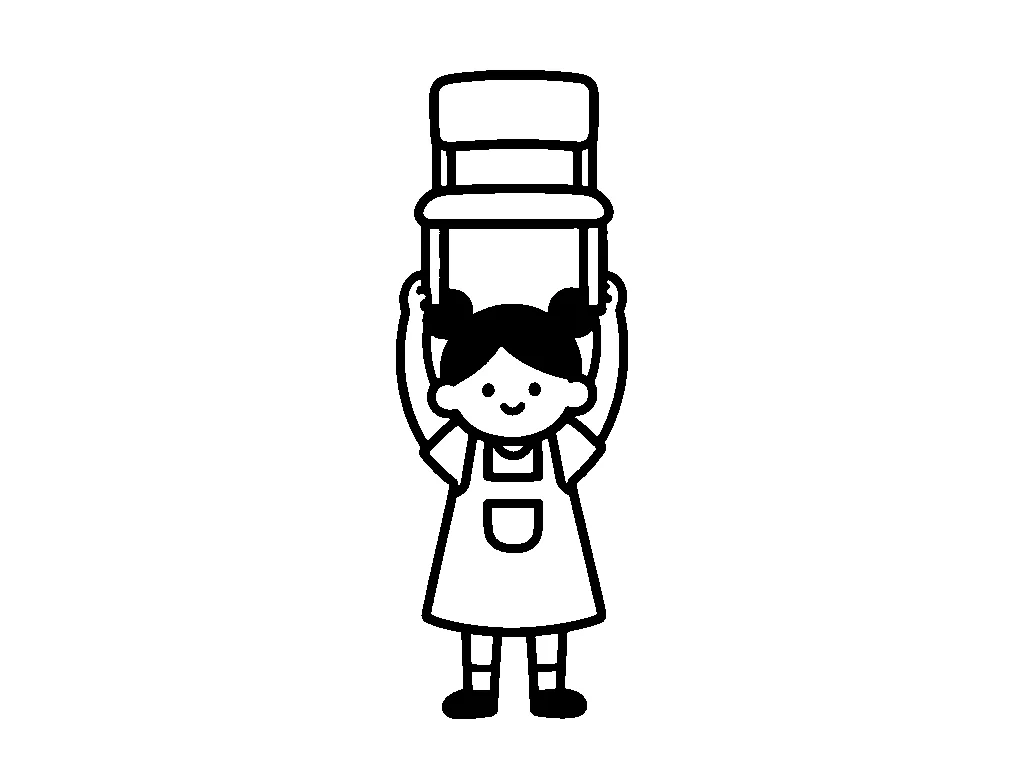
- An'an 我也来!我把小椅子举起来。
- Fei 奶奶的力气比我大!您有什么办法?
- Grandma 功夫。
- Fei 什么功夫?
- Grandma 功夫就是功夫。看,我再抬高一点儿。
- An'an 哥哥,我知道!奶奶每天早上五点就起床。
- Fei 五点?我还在睡觉呢!
Lifting a table together, in the school hall
- Grandma 我们一起抬。你抬右边,我抬左边。
- Fei 奶奶,您等一下,我还没准备好!
- Grandma 一秒,两秒,三秒,四秒……
- Fei 您为什么一直说“一秒、两秒”?
- Grandma 我想看你能抬多久。十秒,十一秒……
- Fei 十二秒!我的胳膊不行了!
- Grandma 十二秒,太厉害了!比我想的久!
- Fei 您呢?您的胳膊累不累?
- Grandma 我先抬起来的,已经三十二秒了。
- Fei 奶奶的胳膊比我的厉害多了。
A break between two lifts
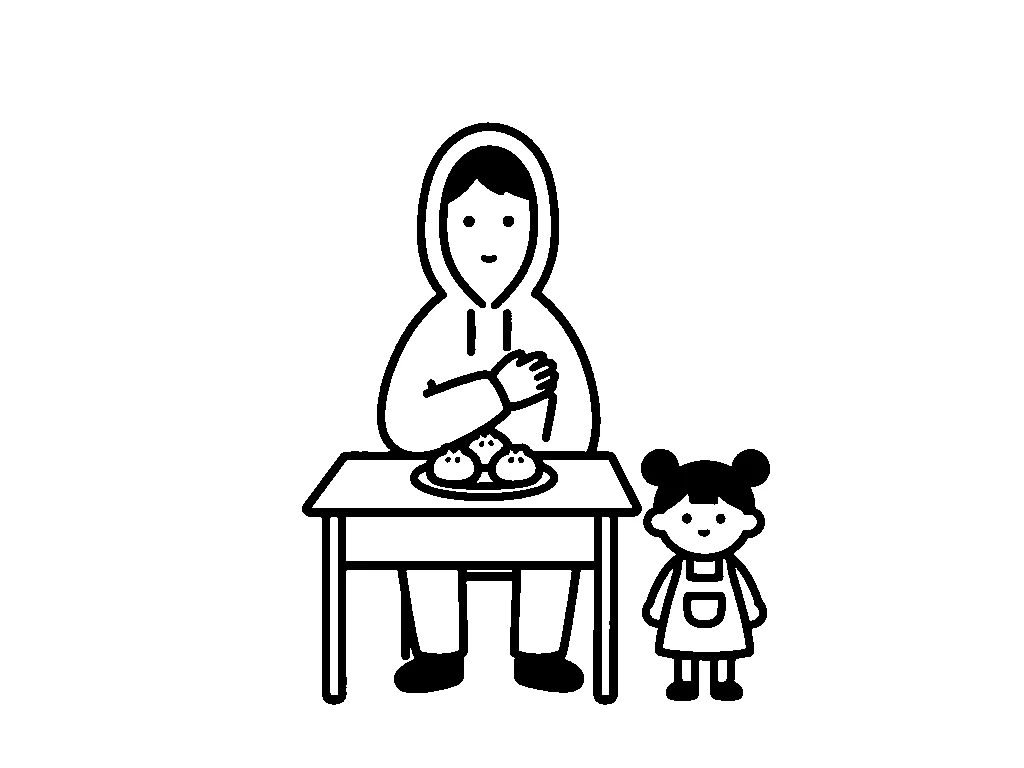
- Fei 我的胳膊有点儿累,我先吃两个包子。
- Grandma 吃吧。吃完我们再抬一次。
- Fei 吃了包子,我的力气比刚才更大了!
- Grandma 一秒,两秒,三秒……十一秒,十二秒。
- Fei 十二秒!又是十二秒!
- An'an 哥哥,你休息一会儿吧!
- Fei 好吧。奶奶,什么是功夫?
- Grandma 每天早上五点起床,就是功夫。
- Fei 五点半行不行?我要先吃包子。
- Grandma 行。我等你。
An'an's notebook
- 星期六,我们把学校的桌子都搬到楼上去了。
- 奶奶先把左边抬起来,哥哥抬右边。
- 奶奶说“一秒、两秒”,哥哥抬了十二秒。
- 哥哥的胳膊不行了,奶奶还不累。
- 奶奶抬了三十二秒,比哥哥多二十秒。
- 哥哥吃了两个包子,又是十二秒。
- 奶奶的力气比哥哥大得多。
- 奶奶说,这是功夫。
- 功夫就是每天早上五点起床。
- 我也举了小椅子,举了二十秒。
- 哥哥笑了,说他明天五点半起床。
- 大家都笑了,学校的桌子也都搬完了。
Grammar
A + 比 + B + Adj (+ amount / 一点儿)
Compare two things with 比: A 比 B + adjective, with the adjective last. Add an amount after it to say how much more (多二十秒), or 一点儿 for 'a little'. Never put 很 or 太 before the adjective in a 比 sentence.
- 奶奶的力气比我大。
- 这张桌子比那张大一点儿。
- 三十二秒比十二秒多二十秒。
A + 比 + B + 更 / 还 + Adj; A + 比 + B + Adj + 得多 / 多了 / 一点儿
Put 更 (or 还) before the adjective for 'even more': 比刚才更大. Put 得多 or 多了 after it for 'much more': 大得多, 厉害多了. 一点儿 after it means 'a little more'. 更 goes before the adjective; the others go after it.
- 吃了包子,我的力气比刚才更大了。
- 奶奶的力气比哥哥大得多。
- 奶奶的胳膊比我的厉害多了。
Characters
- 抬 The hand on the left shows that 抬 is something you do with your hands. 台 on the right gives the sound: 抬 sounds like 台. Two people, four hands: 一起抬.
- 胳 The 月 on the left is the 'flesh' sign, so many body parts have it (as in 脸, 腿, 脚). 各 on the right gives the sound: 胳 sounds like 各. 胳膊 is a two-character word: it is never used with only one.
A saying
闻鸡起舞 'Hear the rooster crow and get up to practise sword dancing': you rise at the first crow to train. People say it of someone who gets up early and works hard at a skill every day, like Grandma with her five o'clock mornings.
What you will be able to say
The lesson ends with a talk. Help Xiaolu move the school's tables: say whose strength is greater with 比, say it is much greater or even greater, and say how many seconds you can lift.
- I can compare two people or things with 比 and an adjective. 我的力气比你大。
- I can say 'even more' with 更 or 'much more' with 得多 / 多了. 吃了包子,我的力气比刚才更大了。
- I can say how many seconds I can lift something. 我抬了十二秒。
- I can praise someone with 厉害. 你太厉害了!
- I can say that I raise something up (举). 我把小椅子举起来。
The closing talk needs an account. On the free plan, the first lesson talk you take in each level is free; Plus and Ultimate use the month's Talk minutes.
This lesson is in Plus. Start this lesson