HSK 4 · Lesson 53 · The taxi that did not move
Traffic jam, so we walk! 堵车了,只好走路去!
Each lesson is a short story in Mandarin with pictures and audio, the words and grammar it uses, and a talk with Xiaolu at the end. All of HSK 1 is free.
This lesson is in Plus. Start this lesson
- About 29 minutes
- 8 new words
- 2 grammar points
- A 3 to 5 minute talk with Xiaolu at the end
Who is in it
- Mia 米亚 Mǐyà
- Grandma 奶奶 nǎinai
- Mr Lin 林先生 Lín xiānsheng
New words
- 堵车 dǔchē traffic jam
- 高速公路 gāosùgōnglù expressway, motorway
- 乘坐 chéngzuò to ride, take (a vehicle; formal 坐)
- 停 tíng to stop; to park
- 交通 jiāotōng traffic, transport
- 赶 gǎn to rush for, catch (赶火车); hurry
- 只好 zhǐhǎo to have no choice but to
- 得(助动词) děi 得 děi (must, have to; spoken)
The story
In a taxi on the expressway, Saturday morning
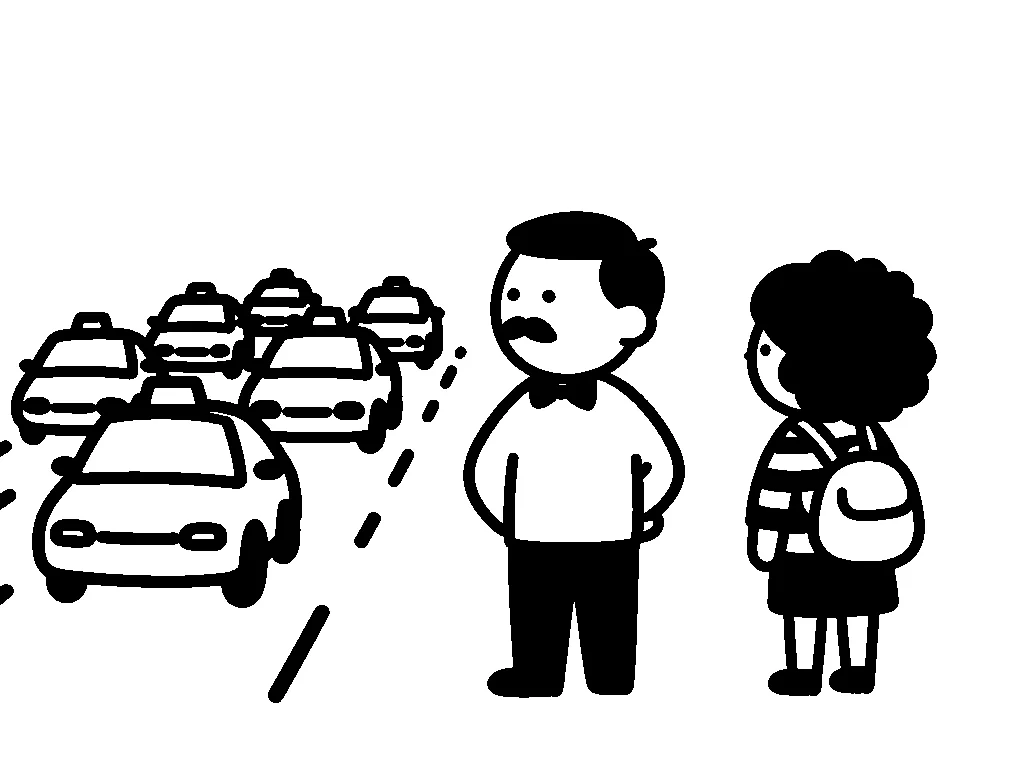
- Mr Lin 别着急!坐出租车,二十分钟就到火车站。
- Mia 现在八点,火车八点四十出发。
- Mr Lin 来得及!这条高速公路很快。
- Grandma 你看,出租车停下来了。
- Mia 前面堵车了!今天的交通真差。
- Mr Lin 没关系,我知道一条近路,十分钟就到!
- Grandma 师傅说,旁边有一条小路。
- Mr Lin 堵车了,只好走路去!
- Mia 我们得赶火车,快走吧!
On a small street, on the way to the station
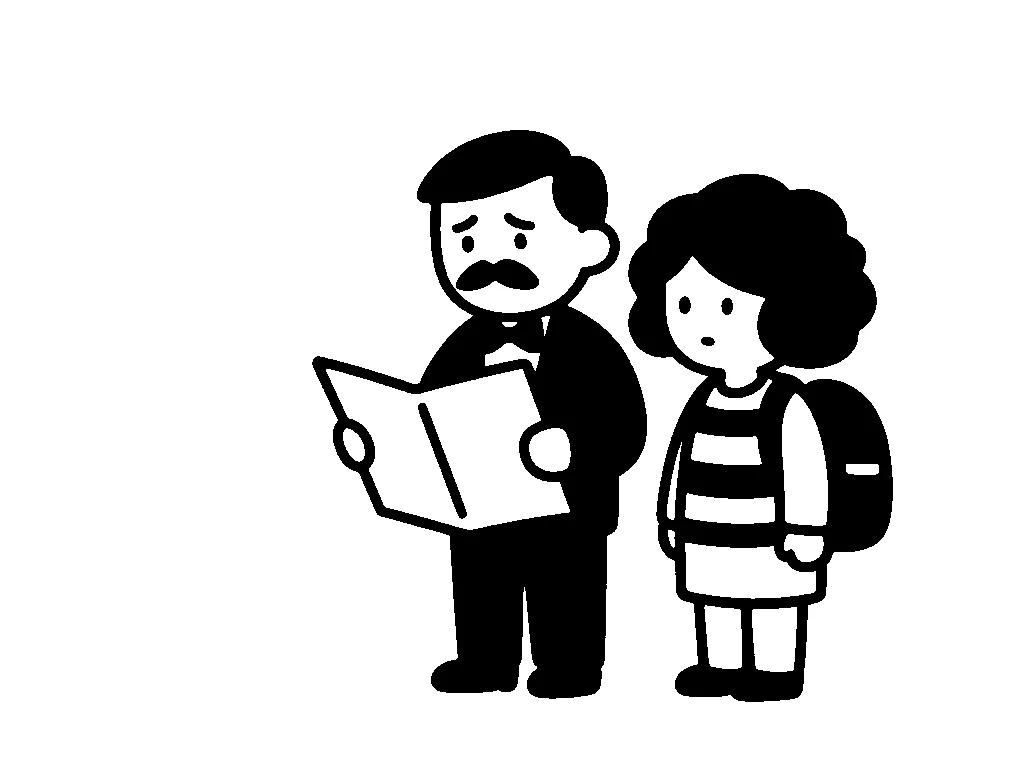
- Mr Lin 走这条路,十分钟就到!
- Mia 地图上,火车站在左边。
- Mr Lin 左边?我觉得在右边。
- Grandma 我先跑了!你们慢慢走。
- Mia 已经八点多了,我们得快一点儿。
- Mr Lin 别担心,前面就是火车站!
- Mia 前面是一个商店。
- Mr Lin 好吧……我们往左走。
- Mia 好,快走!火车不等人。
In front of the station
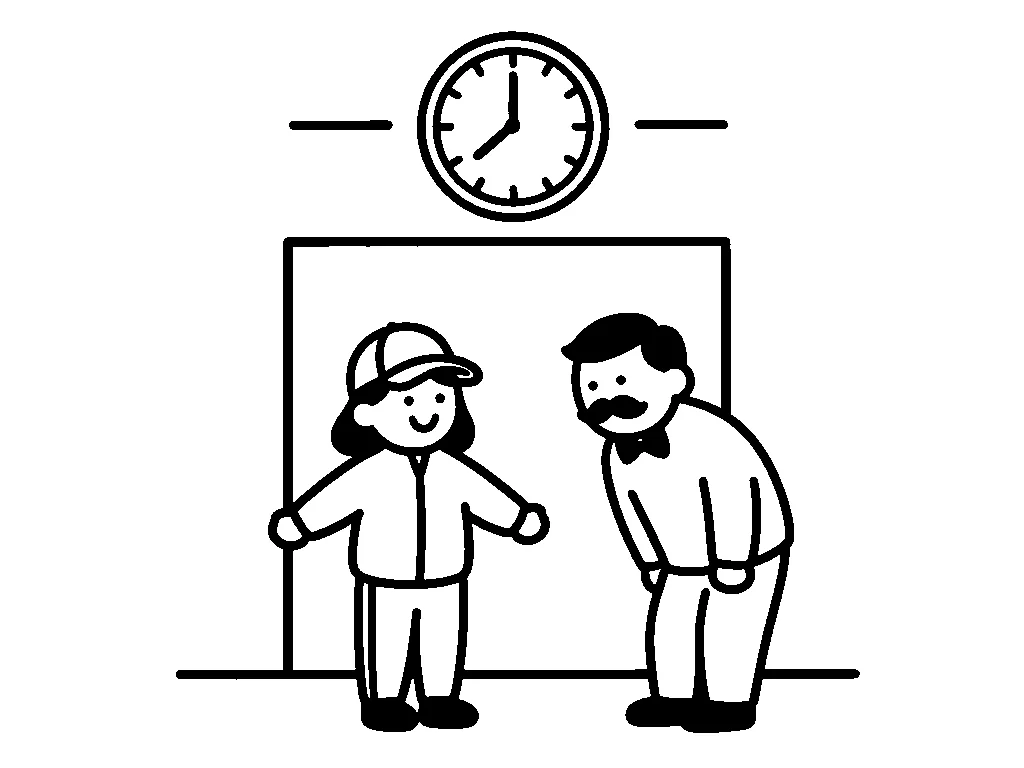
- Grandma 你们终于来了!我八点二十就到了。
- Mr Lin 八点二十?我们八点五十才到。
- Mia 八点四十的火车呢?
- Grandma 已经出发了。火车不等人。
- Mr Lin 对不起,是我的近路……
- Grandma 没关系。我买了九点半的票。
- Mia 您跑得真快!
- Grandma 那当然!明天早上你们跟我跑。
- Mr Lin 好,明天我们跟你走!
Mia's diary
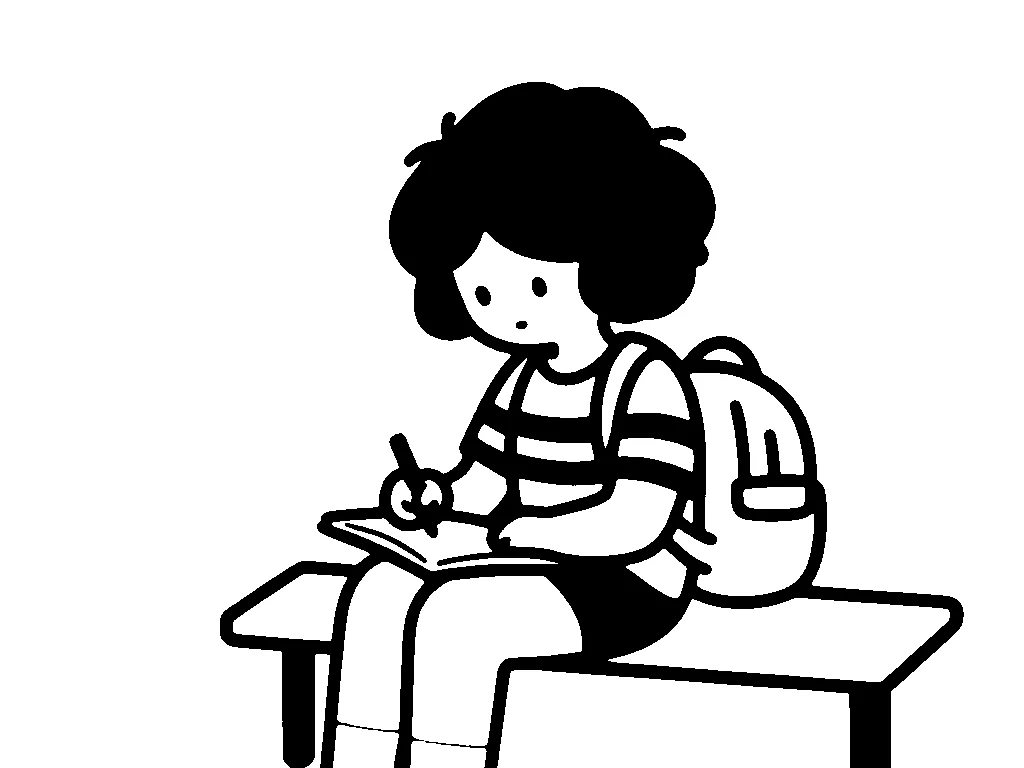
- 今天早上,我们乘坐出租车去火车站。
- 可是高速公路上堵车了,出租车停下来了。
- 火车八点四十出发,我们得赶火车。
- 林先生说他知道一条近路,十分钟就到。
- 我们只好走路去,走了很久。
- 我们先往右走,后来又往左走。
- 林先生看地图看了很久,可是不知道火车站在哪儿。
- 我们八点五十才到火车站。
- 奶奶跑得快,八点二十就到了。
- 火车已经出发了,不过奶奶买了九点半的票。
- 火车不等人,可是奶奶一直在等我们。
- 奶奶笑着说:“明天早上你们跟我跑。”
- 我觉得乘坐地铁去最方便。
- 这是我最累的一个早上,可是大家都很高兴。
Grammar
S + 只好 + V / S + 得 + V
只好 + verb means you have no choice but to do it (spoken, like 不得不): 堵车了,只好走路去. 得 + verb, read as the spoken word for must, also says you have to: 我们得赶火车. Negate it with 不用, not 不得: 你不用赶火车了。 必须 says must in a firmer, more formal way; 应该 is softer: should.
- 堵车了,我们只好走路去。
- 我们得赶火车。
- 火车不等人,你得快一点儿。
- 奶奶已经买票了,我不用买了。
time + 就 + V + 了 (early) / time + 才 + V (late)
Put the clock time before the verb. 就 (with 了) says it was early or easy: 八点二十就到了. 才 says it was late, slow or hard, with no 了: 八点五十才到. The same time word can feel early or late, so 就 and 才 show how the speaker sees it.
- 奶奶八点二十就到了。
- 林先生八点五十才到。
- 火车八点四十出发,我们八点就到了。
- 我们走了四十分钟才到火车站。
Characters
- 堵 Earth on the left for the meaning, 者 on the right for the sound. 堵 means to block up, as a wall of earth blocks a way. In 堵车 the cars block the road.
- 赶 走 on the left for the meaning (moving fast), 干 on the right for the sound. 赶 is to hurry after something so you do not miss it, like 赶火车.
A saying
南辕北辙 Literally: the cart's shafts point south, but the cart drives north. Someone wants to go one way and drives the other, so the harder they go, the farther they get from where they want to be. People say it when a method works against the goal, like a shortcut that makes everyone late.
What you will be able to say
The lesson ends with a talk. Xiaolu is in a hurry for her train and her taxi is stuck. Help her: tell her about the traffic jam and the traffic, say what she has no choice but to do, say what she must do, and tell her how early or how late she will get there.
- I can say what she has no choice but to do, with 只好. 堵车了,你只好走路去。
- I can say there is a traffic jam, with 堵车. 前面堵车了!
- I can say what she must do, with 得. 你得快一点儿。
- I can tell her she will get there early with 就, or late with 才. 你八点半就到火车站了。
- I can say how the traffic is, with 交通. 今天的交通真差。
The closing talk needs an account. On the free plan, the first lesson talk you take in each level is free; Plus and Ultimate use the month's Talk minutes.
This lesson is in Plus. Start this lesson