HSK 4 · Lesson 78 · The grandmother's week
Grandma usually runs, occasionally she walks 奶奶平时跑步,偶尔也散步。
Each lesson is a short story in Mandarin with pictures and audio, the words and grammar it uses, and a talk with Xiaolu at the end. All of HSK 1 is free.
This lesson is in Plus. Start this lesson
- About 30 minutes
- 7 new words
- 2 grammar points
- A 3 to 5 minute talk with Xiaolu at the end
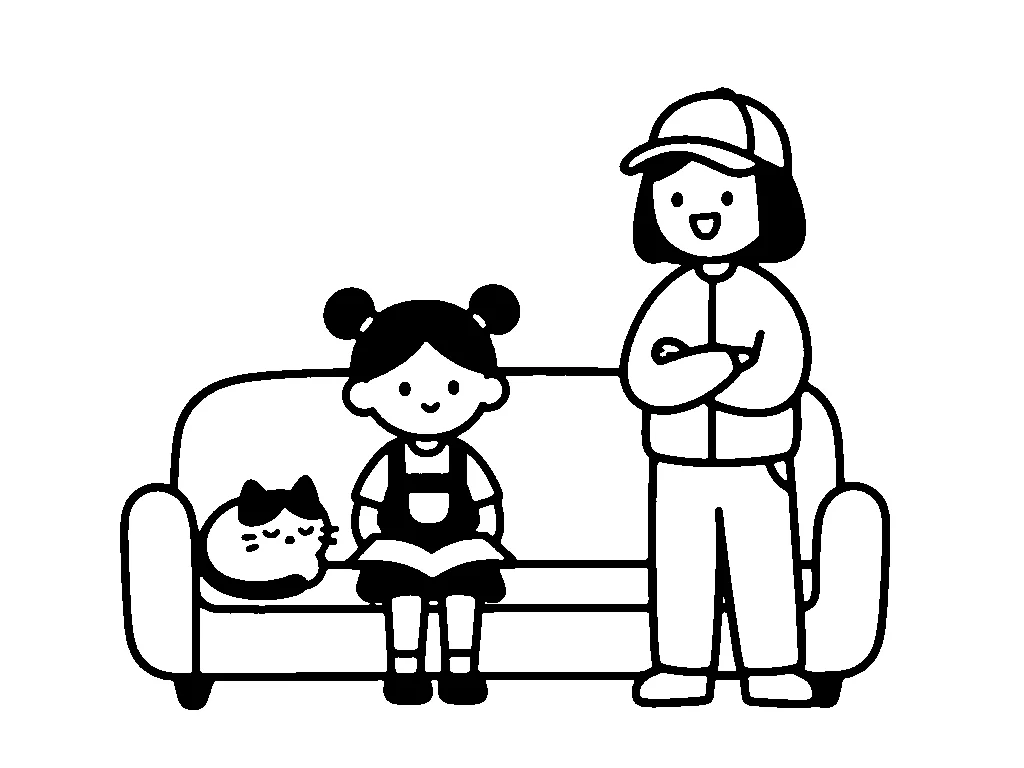
Who is in it
- Fei 林飞 Lín Fēi
- An'an 安安 Ān'ān
- Grandma 奶奶 nǎinai
- Dawang 大王 Dàwáng
New words
- 接着 jiēzhe then, right after; to continue
- 同时 tóngshí at the same time
- 暂时 zànshí for the time being, temporarily
- 偶尔 ǒu’ěr occasionally
- 往往 wǎngwǎng often, tend to (of a pattern)
- 平时 píngshí normally, at ordinary times
- 广播 guǎngbō broadcast, radio
The story
The living room: An'an is writing out Grandma's week in her notebook
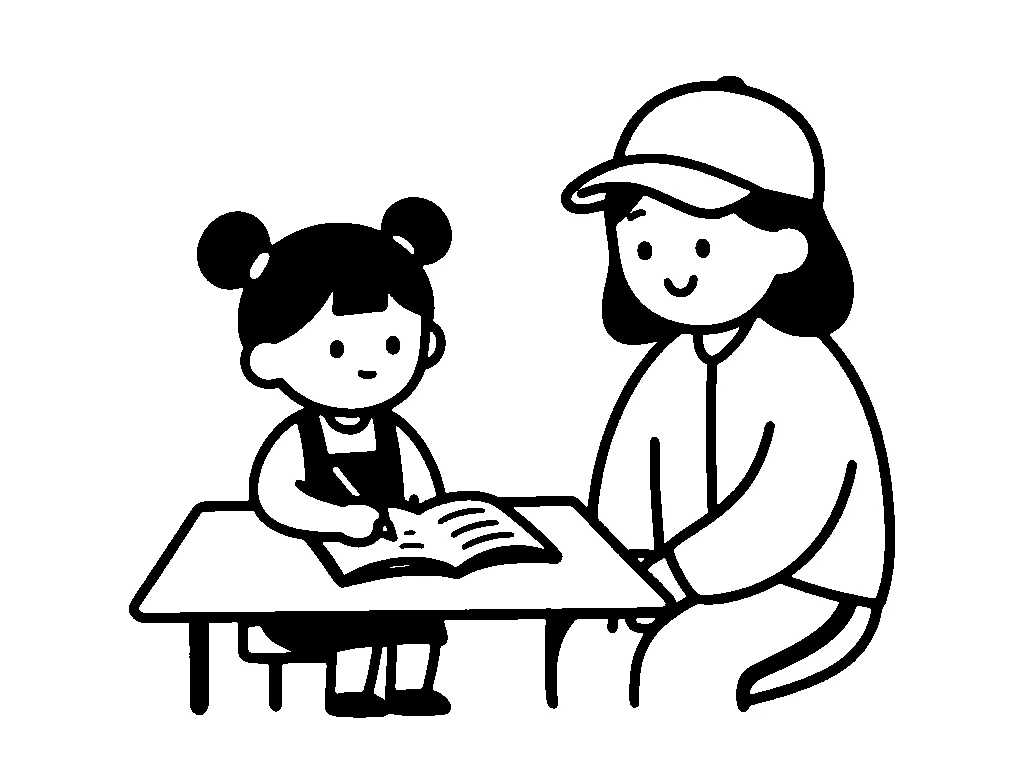
- An'an 奶奶,我在写你这个星期的安排。
- Grandma 写吧,我听着。
- An'an 奶奶平时跑步,偶尔也散步。对吗?
- Grandma 对。偶尔散步,是在等林飞的时候。
- An'an 然后呢?
- Grandma 接着游泳,同时听广播。
- An'an 在哪儿游泳?
- Grandma 在家附近。我一边游,一边听广播。
- An'an 好,写完了!明天我再写大王的。
The living room, Wednesday at one o'clock: Dawang's week is written beside Grandma's
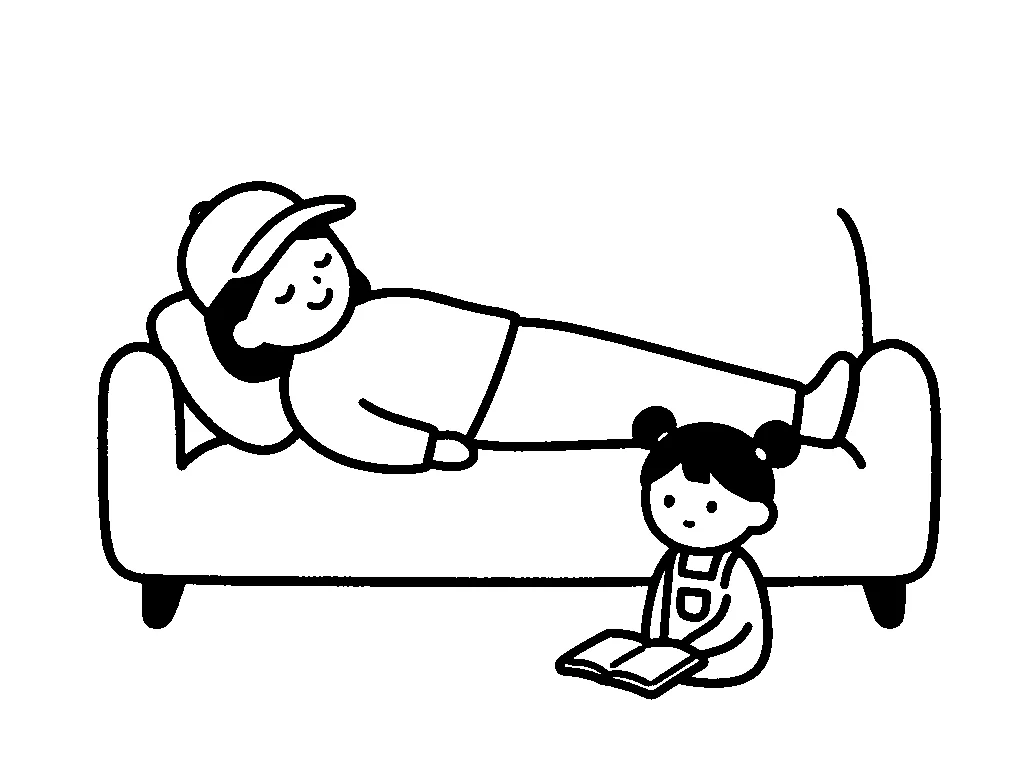
- An'an 奶奶,大王的一个星期,我写在你的安排旁边了。
- Grandma 让我看看。它的怎么比我的长?
- An'an 早上睡觉,接着吃饭,接着睡觉,同时听你的广播。
- Grandma 什么!它比我忙!我也要写得更长!
- An'an 你今天不跑步吗?
- Grandma 现在一点,我暂时休息一下。
- An'an 暂时是多久?
- Grandma 一个下午。我躺到三点。
- An'an 好,三点我来找你。
- Grandma 我两点半就起床。
The park, Saturday morning: Fei and An'an look for Grandma, who comes up as they talk
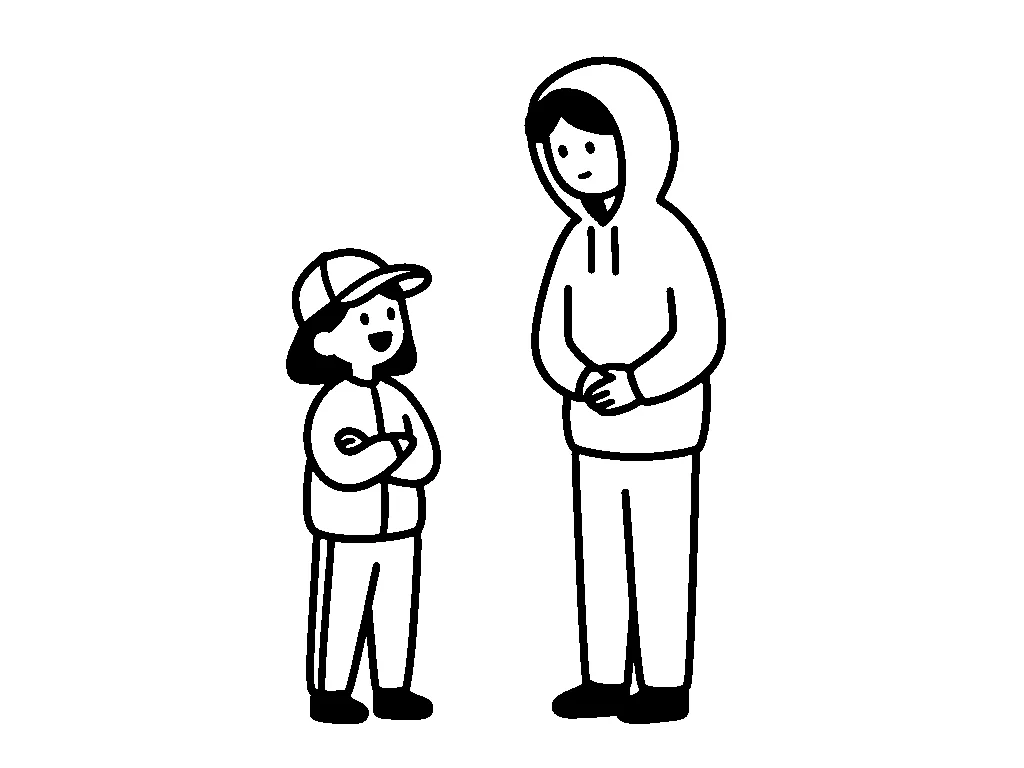
- Fei 安安,奶奶在哪儿?我想找她。
- An'an 周末奶奶往往在公园跑步。
- Fei 平时呢?
- An'an 平时也跑,不过周末往往跑得更久。
- Fei 我也跑!跑完就吃饭。
- Grandma 首先跑五公里,其次走一公里,最后吃饭。
- Fei 先吃饭不行吗?
- Grandma 先吃饭的人,往往不想跑。
- Fei 好吧。最后吃什么?
- Grandma 走完一公里,我们就去吃面条。
An'an's notebook
- 这个星期,我写了奶奶和大王的安排。
- 奶奶平时跑步,偶尔也散步。
- 周末她往往在公园跑得更久。
- 接着她游泳,同时听广播。
- 星期三,她说要暂时休息一个下午。
- 可是她两点半就起床了。
- 大王的安排更长。
- 它早上睡觉,接着吃饭,接着又睡觉。
- 下午它躺在椅子上,同时听广播。
- 晚上它接着睡觉。
- 我问奶奶:“你和大王,谁更忙?”
- 奶奶说:“当然是我!大王只会睡觉!”
- 可是笔记本上,大王的比奶奶的长。
- 我把“两点半起床”也写在笔记本上了。
- 奶奶笑了:“我也要写得更长!”
Grammar
Condition (time / person) + 往往 + verb phrase
往往 states a regular pattern and needs its condition: 周末奶奶往往在公园跑步 (on weekends, as a rule). Name the condition first. Never use it for one future event (✗ 明天我往往去). 经常 only says how often and works in any tense: 奶奶经常听广播.
- 周末奶奶往往在公园跑步。
- 先吃饭的人,往往不想跑。
- 平时也跑,不过周末往往跑得更久。
- 奶奶经常听广播。
先……然后……最后 / 首先……其次……最后; A,接着 B; A,同时 B
先……然后……最后 puts steps in order (HSK 3); 首先……其次……最后 is the formal version. 接着 means 'right after that': 跑步,接着游泳. 同时 means 'at the same time': 游泳,同时听广播. Never use 同时 for one thing after another.
- 首先跑五公里,其次走一公里,最后吃饭。
- 奶奶跑步,接着游泳。
- 奶奶游泳,同时听广播。
- 先看书,然后听广播,最后睡觉。
Characters
- 偶 The person on the left is the meaning side: 偶 first meant a figure in the shape of a person. 禺 on the right only hints at the sound. In 偶尔, it is the 'now and then' that turns up by chance.
- 往 The step on the left shows movement along a road: 往 means to go toward. 王 on the right gives the sound, roughly. 往往 doubles it: a pattern you keep going back to.
A saying
闻鸡起舞 Literally: hear the rooster, get up and practise sword dancing. In an old story a man rose at the first crow to train every day. People say it of someone who gets up early and works hard at a skill, like a grandmother out for her morning run.
What you will be able to say
The lesson ends with a talk. Xiaolu is writing out a week on paper. Tell her what you usually do, what you do only occasionally, what you tend to do on weekends or when it rains, and one thing you do right after another.
- I can say what I normally do (平时). 我平时早上跑步。
- I can say what I do only occasionally (偶尔). 我偶尔去公园散步。
- I can say what I tend to do under a stated condition, with 往往. 周末我往往在家休息。
- I can say one thing right after another (接着) or two things at the same time (同时). 我先跑步,接着游泳。
- I can say I am resting for the time being (暂时). 我暂时休息一下。
The closing talk needs an account. On the free plan, the first lesson talk you take in each level is free; Plus and Ultimate use the month's Talk minutes.
This lesson is in Plus. Start this lesson