HSK 4 · Lesson 65 · An interview about the dumplings
What exactly does the reporter want to know? 记者究竟想知道什么?
Each lesson is a short story in Mandarin with pictures and audio, the words and grammar it uses, and a talk with Xiaolu at the end. All of HSK 1 is free.
This lesson is in Plus. Start this lesson
- About 28 minutes
- 7 new words
- 2 grammar points
- A 3 to 5 minute talk with Xiaolu at the end
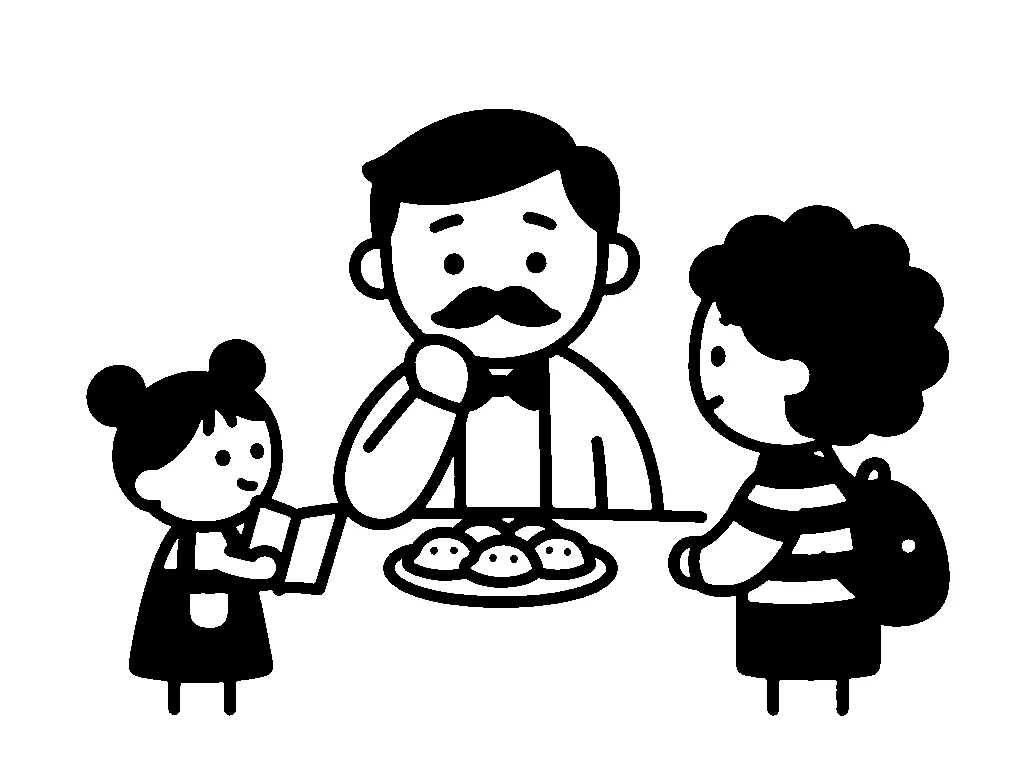
Who is in it
- Mia 米亚 Mǐyà
- Fei 林飞 Lín Fēi
- An'an 安安 Ān'ān
- Mr Lin 林先生 Lín xiānsheng
- Waiter 服务员 fúwùyuán
- School reporter, An'an's classmate 学校的记者
New words
- 记者 jìzhě reporter, journalist
- 调查 diàochá to investigate, survey
- 证明 zhèngmíng to prove; a certificate
- 判断 pànduàn to judge; judgement
- 怀疑 huáiyí to suspect, doubt
- 估计 gūjì to reckon, estimate
- 究竟 jiūjìng exactly, after all (in questions; formal 到底)
The story
At the restaurant, just before lunch
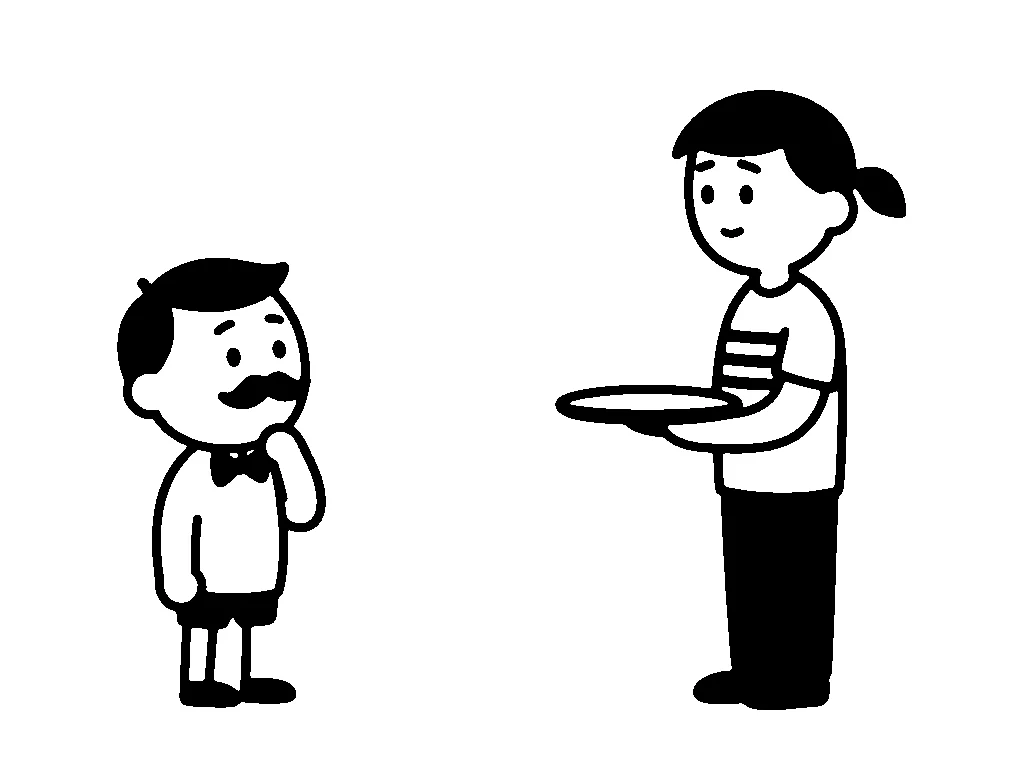
- Waiter 林先生,有一位记者来了。
- Mr Lin 记者究竟想知道什么?
- Waiter 她在调查我们的饺子。
- Mr Lin 我怀疑她是很有名的记者!
- Waiter 我估计是电视记者。
- Mr Lin 电视记者肯定很有名!快,把桌子擦一下!
- Waiter 可是她好像只有一个笔记本。
- Mr Lin 她也许是大报纸的记者,更有名!
- Waiter 她在那儿,您去问问她吧。
At a table in the restaurant
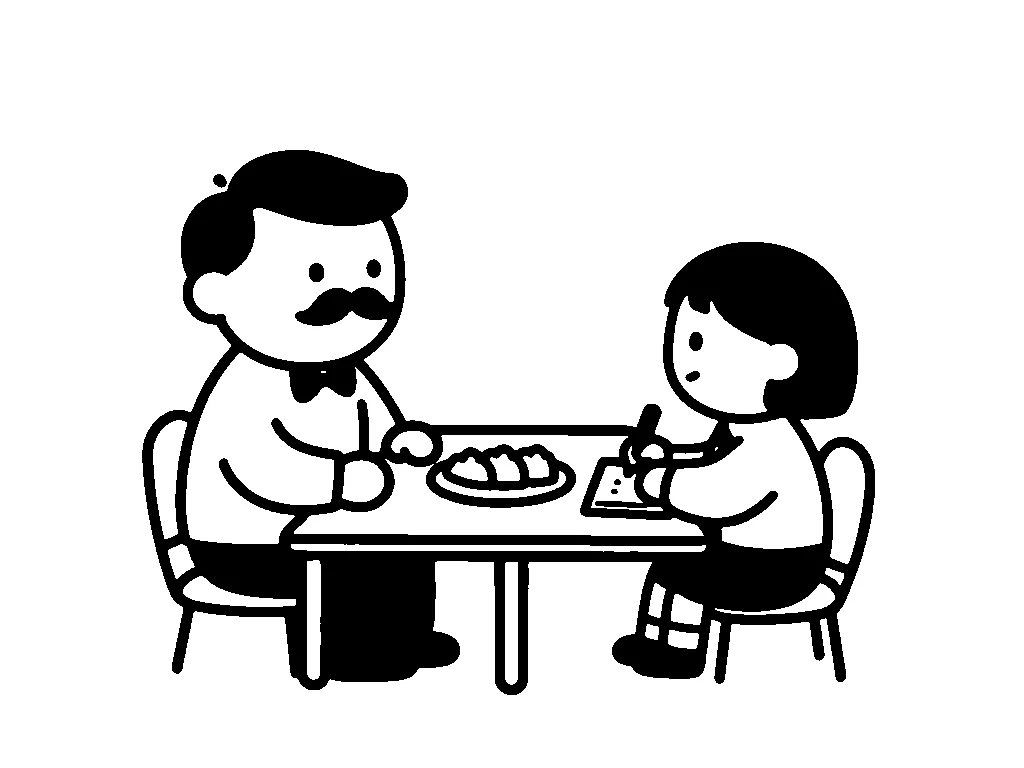
- Mr Lin 你好!请问,你究竟是哪儿的记者?
- School reporter, An'an's classmate 我是学校的记者,在写一篇关于饺子的文章。
- An'an 爸爸,她是我的同学!
- Mr Lin 你同学?她的报纸有名吗?
- An'an 很有名!一共二十份,我们班也有。
- Mr Lin 二十份也是报纸!我要证明,我们的饺子最好吃。
- School reporter, An'an's classmate 好吃不好吃,我要自己判断。
- Mr Lin 好!你先吃,再判断。安安,去拿饺子!
- An'an 我也要判断!
At the table, after the interview
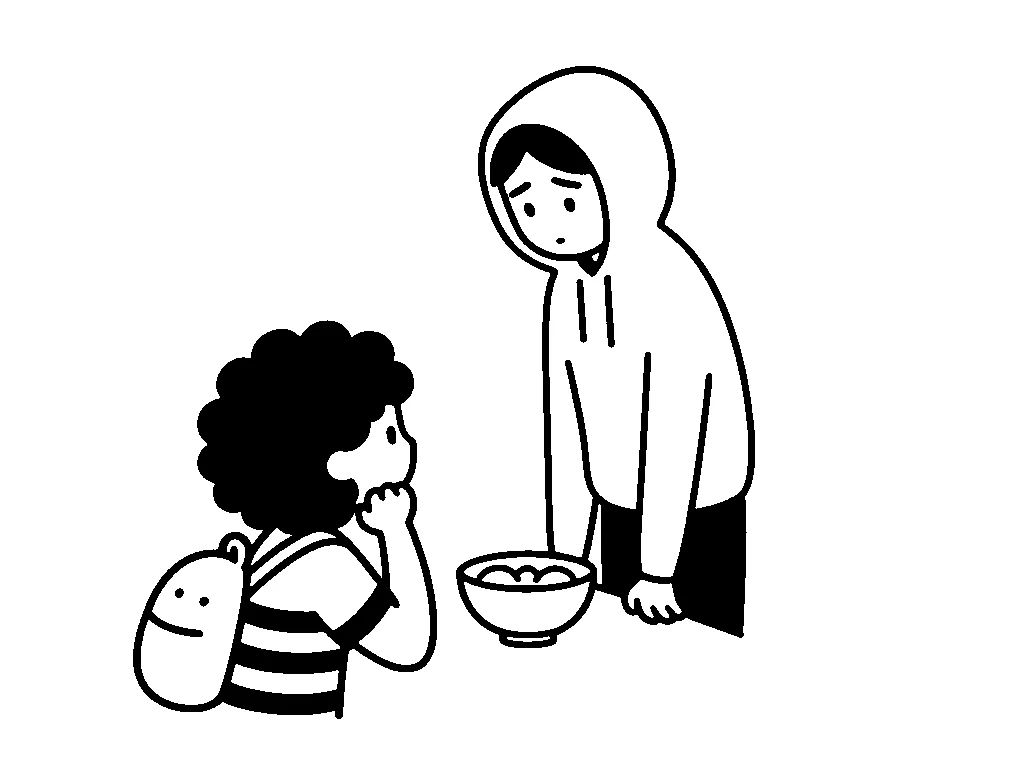
- Fei 米亚,你们那儿吃饺子吗?
- Mia 我们那儿也有像饺子一样的东西,名字不一样。
- Fei 那个东西究竟叫什么?
- Mia 我有照片!……在那个包里。
- Fei 我怀疑那个包里什么都有。
- Mia 对,有伞,有茶,还有两个笔记本。
- Fei 那个东西,我估计也很好吃!我还想再吃一个。
- Mia 你已经吃了十五个了。
- Fei 好,我吃第十六个。
An'an's diary
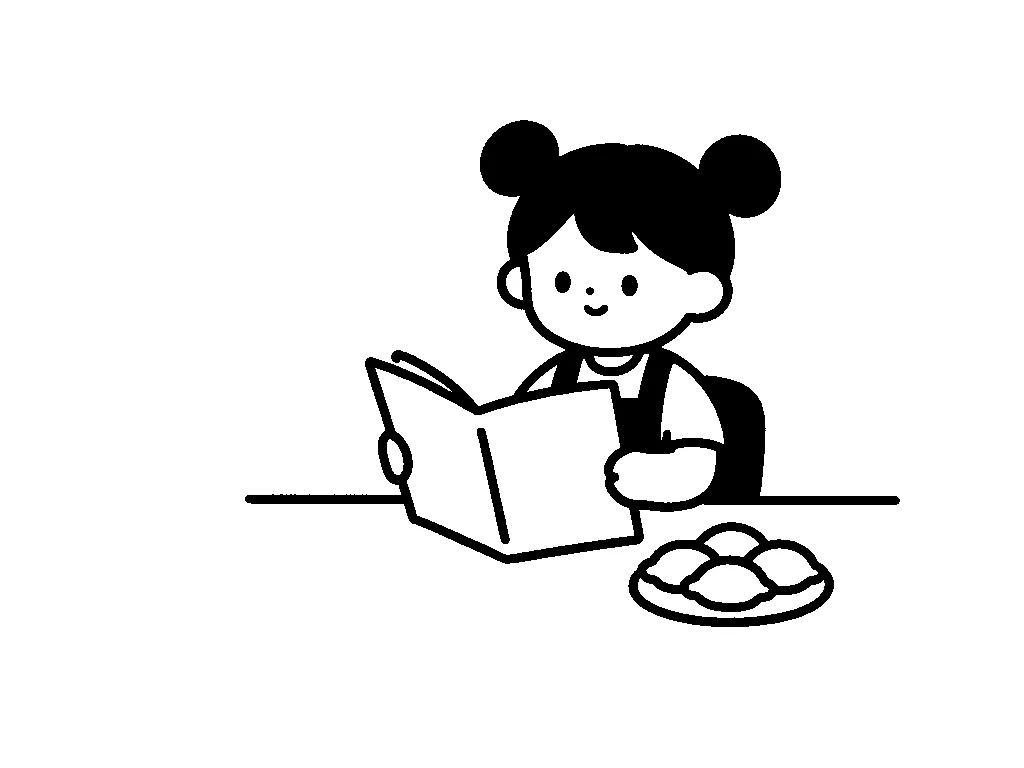
- 今天,我的同学来饭店调查饺子。
- 她是学校报纸的记者。
- 爸爸怀疑她是很有名的记者。
- 服务员估计她是电视记者。
- 她只有一个笔记本,这证明她不是电视记者。
- 后来,她吃了我们的饺子,自己判断:很好吃!
- 爸爸笑着说:“慢慢吃,明天再来!”
- 恐怕明天饭店要多做一些饺子了。
- 好像每个人都想知道,饺子究竟是怎么做的。
- 明天的报纸里肯定有我们家的饺子。
- 我的同学说,她明天还要来。
- 我要买一份,寄给爷爷。
Grammar
究竟 + question word (他/她 + 究竟 + V + 什么/谁/哪儿…?)
究竟 presses for the real answer, like 到底, but it is the more written, formal twin. Put it before the verb or the question word in a question: 记者究竟想知道什么? It can also stand before the subject. It tells the listener: don't avoid the question, I want the true answer.
- 记者究竟想知道什么?
- 你究竟哪儿不舒服?
- 这个饺子究竟是谁做的?
肯定 / 也许 / 恐怕 / 好像 + predicate; 我估计 + clause
These words say how sure you are and stand before the predicate. 肯定 (surely) is strongest, then 也许 (perhaps). 恐怕 means I'm afraid, for unwelcome news. 好像 means it seems. 估计 (I reckon) is really a verb, but it is used like these adverbs: 我估计是电视记者。
- 我估计是电视记者。
- 她好像只有一个笔记本。
- 她也许是报纸的记者。
- 恐怕要多做一些饺子了。
Characters
- 怀 忄 is a heart standing at the left: 怀 is about what you feel and carry inside. 怀疑 is a doubt held in the heart. 不 hints at the sound.
- 证 讠 is speech and 正 is 'right': words that show something is right. That is the idea of 证明, to prove.
A saying
耳听为虚,眼见为实 Literally: 'what the ears hear may be empty, what the eyes see is real.' People mean that hearsay can be wrong, so see it for yourself before you believe it, as the reporter looks at the dumplings herself instead of trusting what the manager says.
What you will be able to say
The lesson ends with a talk. Xiaolu is a school reporter writing about your restaurant's dumplings. Press her with a question, give your guess about the guests, and say how you will prove your dumplings are the best.
- I can press for the real answer with 究竟 and a question word. 你究竟想知道什么?
- I can give my own estimate with 估计. 我估计今天有很多客人。
- I can say how sure I am with 也许, 恐怕 or 好像. 恐怕饺子不够了。
- I can ask someone to judge for themselves with 判断. 好吃不好吃,请你自己判断。
- I can say what I want to prove with 证明. 我要证明,我们的饺子最好吃。
The closing talk needs an account. On the free plan, the first lesson talk you take in each level is free; Plus and Ultimate use the month's Talk minutes.
This lesson is in Plus. Start this lesson