HSK 4 · Lesson 40 · A stomach ache at the clinic
Where exactly does it hurt? 你到底哪儿不舒服?
Each lesson is a short story in Mandarin with pictures and audio, the words and grammar it uses, and a talk with Xiaolu at the end. All of HSK 1 is free.
This lesson is in Plus. Start this lesson
- About 30 minutes
- 8 new words
- 2 grammar points
- A 3 to 5 minute talk with Xiaolu at the end
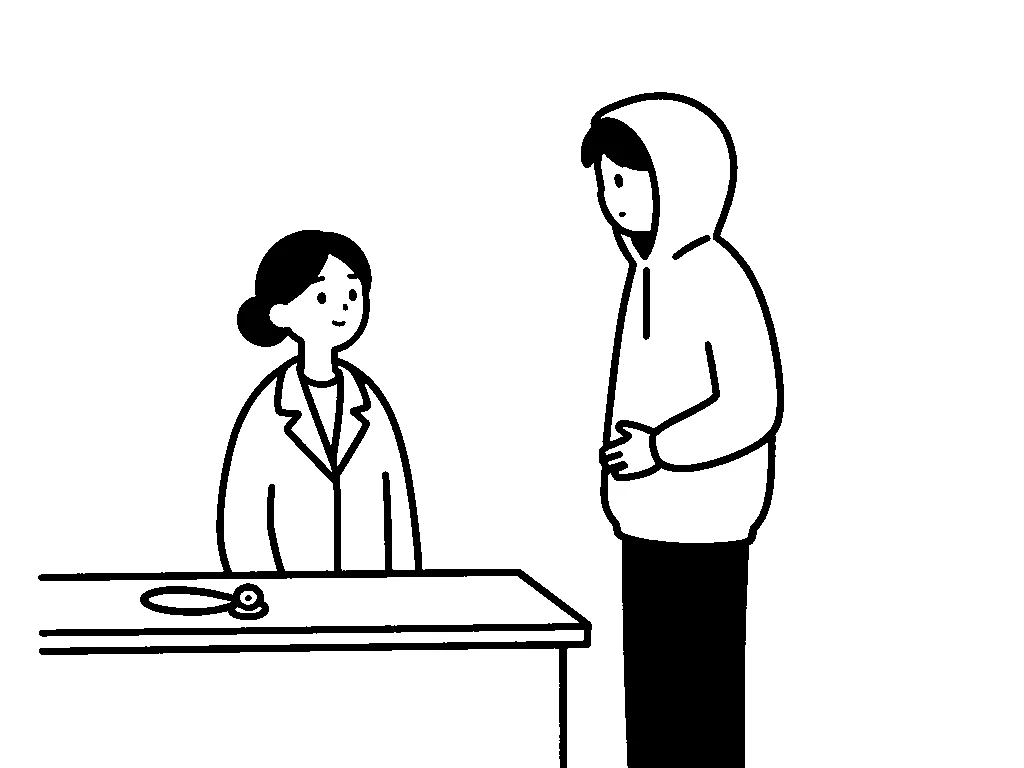
Who is in it
- Mia 米亚 Mǐyà
- Fei 林飞 Lín Fēi
- Dr Bai 白医生 Bái yīshēng
- Nurse 护士
New words
- 护士 hùshi nurse
- 大夫 dàifu doctor (spoken)
- 打针 dǎzhēn to have / give an injection
- 咳嗽 késou to cough
- 肚子 dùzi stomach, belly
- 难受 nánshòu to feel unwell; upset
- 严重 yánzhòng serious, grave
- 到底 dàodǐ on earth, exactly (in questions); in the end
The story
At the clinic desk
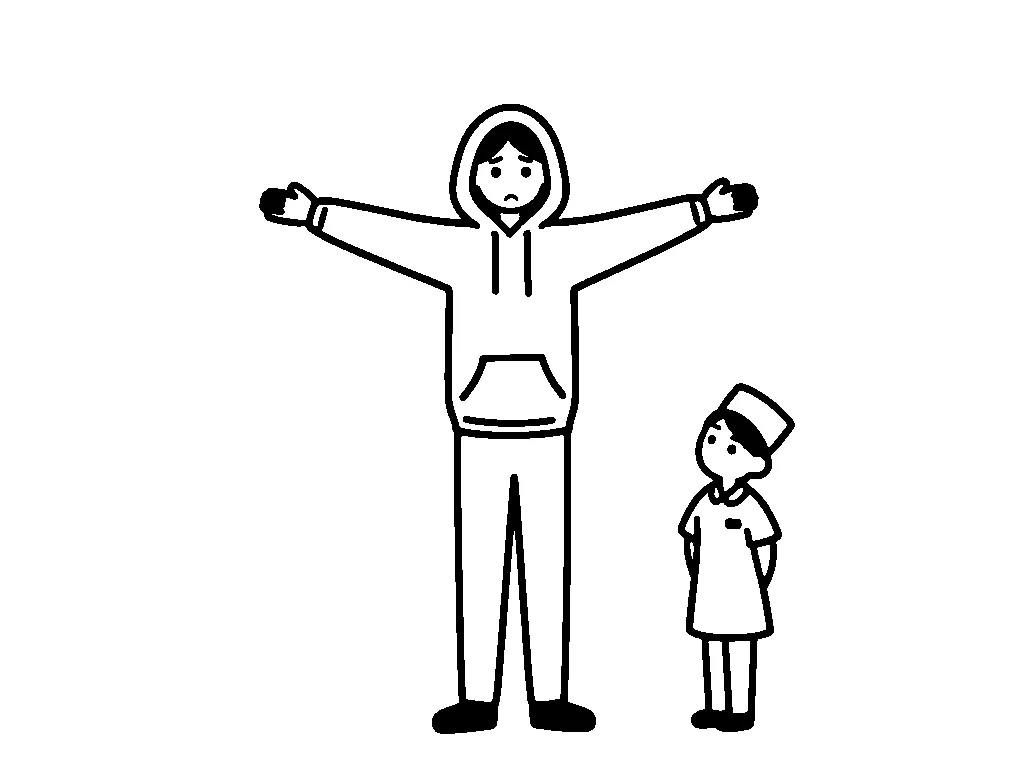
- Nurse 你哪儿不舒服?
- Fei 护士,我哪儿都不舒服。
- Nurse 腿疼吗?
- Fei 腿不疼,脚也不疼。
- Nurse 你到底哪儿不舒服?
- Fei 肚子……我的肚子很难受。
- Mia 他早上吃了自己做的菜,太辣了。
- Nurse 还有哪儿不舒服?
- Fei 还咳嗽。
- Nurse 好,请进去找大夫。
In the doctor's room
- Dr Bai 你到底吃了什么?
- Fei 我自己做的鱼,太辣了。
- Dr Bai 我看看。哪儿难受?
- Fei 肚子难受,还咳嗽。
- Mia 我带了药和水!
- Dr Bai 不发烧,也不是感冒,不严重。
- Mia 大夫,要打针吗?
- Dr Bai 不用打针,也不用吃药。
- Fei 太好了!我应该做什么?
- Dr Bai 你应该出去走一走。
In the clinic corridor
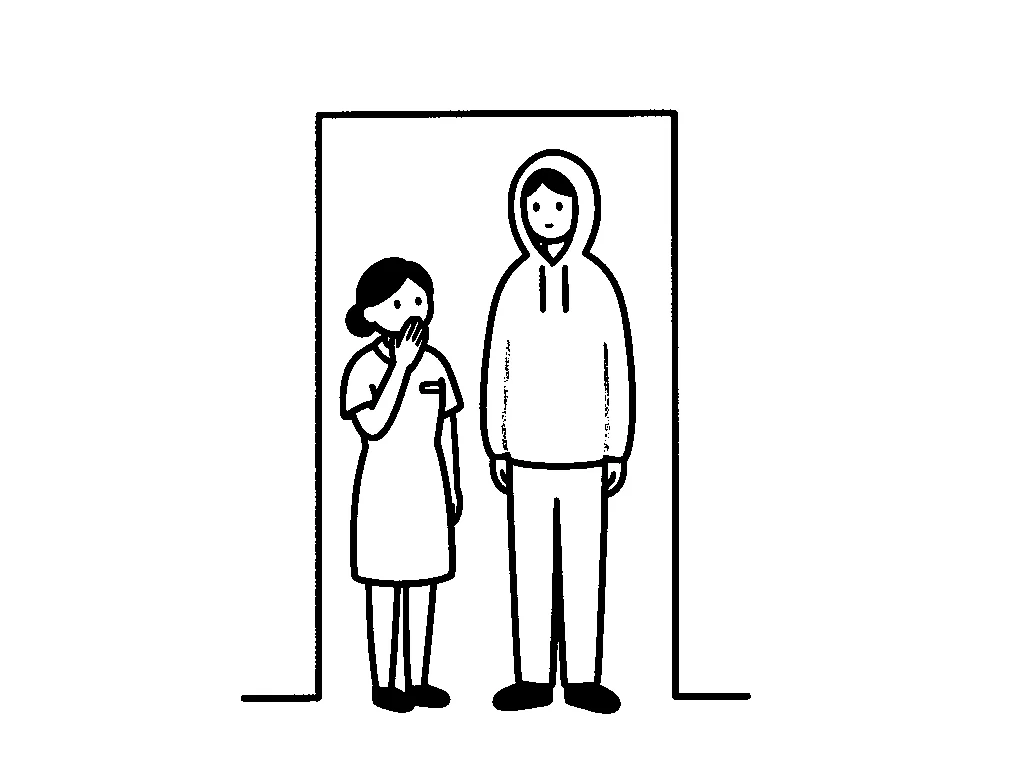
- Nurse 大夫是你妈妈?
- Fei 对。她说不严重,让我走一走。
- Nurse 我不是笑你,我是笑大夫的药。
- Fei 以前我丢了钥匙,她也说走一走。
- Nurse 钥匙找到了吗?
- Fei 找到了,在我的包里!
- Mia 我带了三种药,大夫一种都没用上。
- Nurse 走吧,我也出去走一走。
Mia's diary
- 今天早上,林飞吃了自己做的辣鱼,肚子很难受,还咳嗽。
- 护士问他哪儿不舒服,他说:“哪儿都不舒服。”
- 护士问了腿,问了脚,他都说不疼。
- 护士又问:“你到底哪儿不舒服?”
- 最后,他说肚子很难受。
- 大夫是他的妈妈,她说不严重。
- 不用打针,也不用吃药。
- 她只说:“你应该出去走一走。”
- 护士笑了,不是笑林飞,是笑大夫的药。
- 我带了三种药,一种都没用上。
- 后来林飞走了一会儿,肚子真的好了。
- 我们一起回家,路上天气很好。
- 林飞笑着说:“大夫的药真好,不用钱!”
- 我们都笑了。
Grammar
到底 + 哪儿 / 什么 / 谁 + …?
Put 到底 before the question word, or before the verb phrase that holds it, to press for the real answer: 你到底哪儿不舒服? means 'where on earth does it hurt?'. Use it when someone has been vague. In a statement 到底 means 'in the end': 大夫到底来了. Its written twin is 究竟.
- 你到底哪儿不舒服?
- 你到底吃了什么?
- 这到底是谁的药?
- 大夫到底来了。
应该 + V;不用 + V
应该 + verb gives advice: 你应该出去走一走, 'you should go for a walk'. 不用 + verb says there is no need: 不用打针, 'no need for an injection'. To say someone should not do something, do not use 不用; that is a different sentence.
- 你应该出去走一走。
- 不用打针,也不用吃药。
- 你肚子难受,应该多休息。
Characters
- 肚 The flesh radical on the left says it is a part of the body; 土 on the right gives the sound. 肚 on its own is a belly or stomach, and 肚子 is the everyday word.
- 咳 A cough comes out of the mouth, so 口 is on the left; 亥 on the right gives the sound. 嗽 has a mouth in it too, so both characters of 咳嗽 are mouth sounds.
A saying
病从口入 'Illness comes in through the mouth.' What you eat and drink can make you ill. People say it to remind someone to be careful about food, like a stomach ache after a very spicy dish.
What you will be able to say
The lesson ends with a talk. You are the doctor at a clinic. Xiaolu is a vague patient: press her with 到底 until she says where it hurts, then tell her she does not need an injection and what she should do.
- I can press a vague answer with 到底 plus a question word. 你到底哪儿不舒服?
- I can give advice with 应该, and say there is no need with 不用. 你应该出去走一走。
- I can say she does not need an injection. 你不用打针。
- I can say it is not serious. 不严重,你别担心。
- I can ask where she feels unwell. 你哪儿难受?
The closing talk needs an account. On the free plan, the first lesson talk you take in each level is free; Plus and Ultimate use the month's Talk minutes.
This lesson is in Plus. Start this lesson